
Structural Drying and Dehumidification in Alvin, TX
A floor can look dry while the framing underneath is still wet. Structural drying is how you know the water is actually gone.
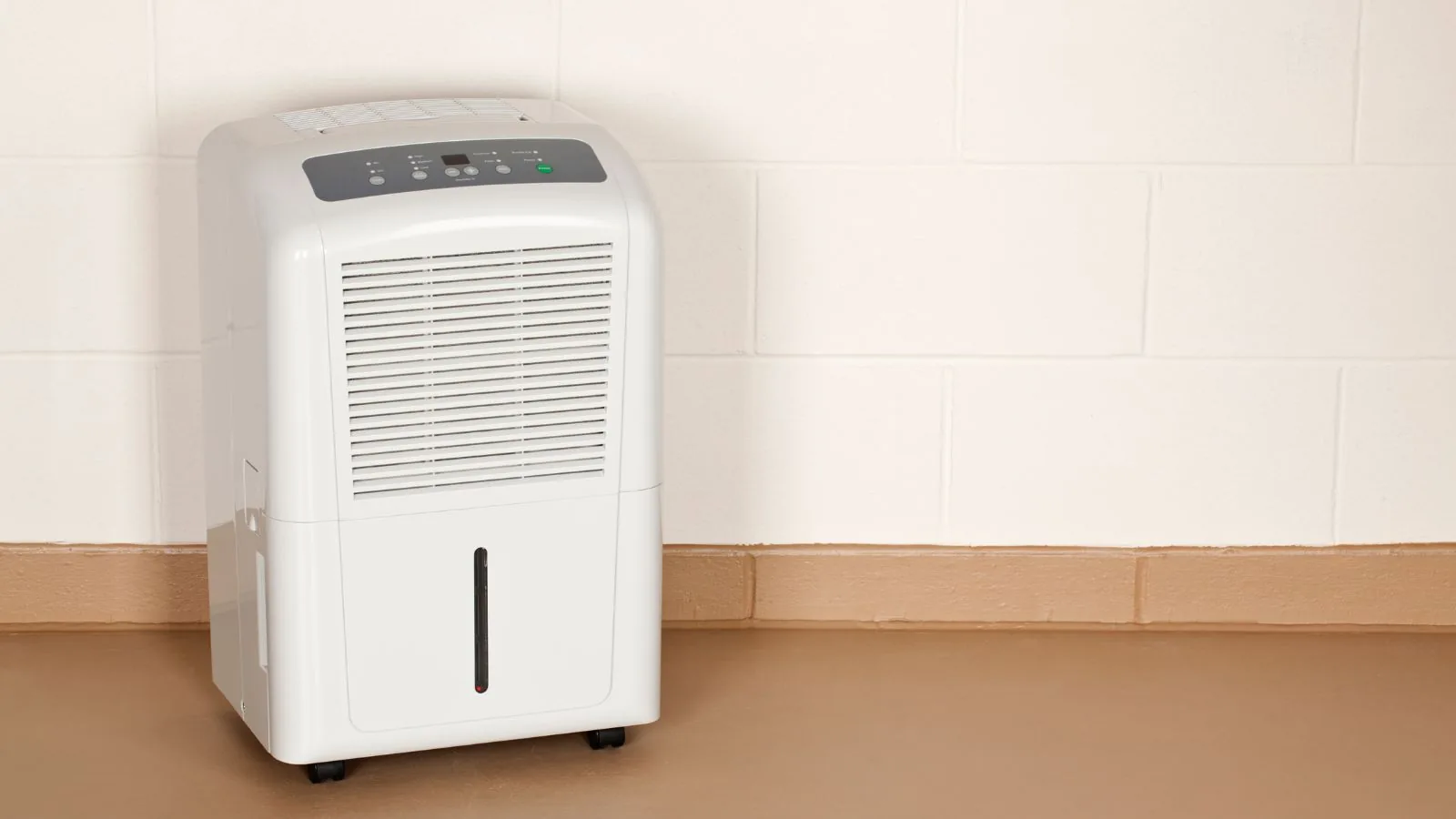
After the water is removed, the structure still holds moisture. Studs, plates, subfloors and insulation absorb water and release it slowly. Structural drying uses controlled airflow and dehumidification to pull that moisture out, with measurements to prove it worked.
Signs Your House Is Still Wet
Many homeowners assume a house is dry once the surface feels dry to the touch. These signs suggest otherwise.
Musty smell
An odor that lingers after cleanup points to damp materials.
Cupped or buckled flooring
Floors that rise after cleanup are releasing or absorbing moisture.
Peeling paint or soft baseboards
Moisture is wicking up wall surfaces.
High indoor humidity
A hygrometer reading above 60 percent for days suggests wet materials.
Is Your House Really Dry?
Call and ask for a moisture check. A meter tells you more than a hand does.
What to Do and Not Do Around Drying Equipment
- Do not unplug equipment to use the outlet, since stopping and restarting slows drying.
- Do not use extension cords through wet areas.
- Keep children and pets away from cords and moving air movers.
- Do not open windows in humid weather while dehumidifiers run.
- Tell the technician if a breaker trips.
How Drying Equipment Works Together
Drying is a system. Air movers push dry air across wet surfaces to help water evaporate. Dehumidifiers pull that water out of the air so it does not just settle on other surfaces. If either one is missing, drying slows or stops. Placement matters more than quantity.
| Equipment | Job |
|---|---|
| Air movers. | Move air across wet surfaces to speed evaporation. |
| Low grain refrigerant dehumidifiers. | Remove moisture from warm air. |
| Desiccant dehumidifiers. | Work in cooler areas where refrigerant units struggle. |
| Injectidry systems and hole drilling. | Push dry air into wall cavities. |
| Moisture meters and thermal cameras. | Find wet material and confirm dryness. |
The Drying Process Step by Step
Measure the starting point
Meters record moisture in each material. Temperature and humidity are logged.
Set equipment
Air movers and dehumidifiers are placed based on room size and the materials.
Check daily
Technicians visit, take readings and move or remove equipment as areas reach their goal.
Confirm dry
Final readings are compared to dry reference materials before the equipment is pulled.
Drying in Alvin's Humid Climate
Alvin summers are hot and the air carries a lot of moisture. That makes drying harder, because the air around the building is already damp. Windows should stay closed during drying so dehumidifiers work on the indoor air, not the outdoor air. This is the opposite of what many homeowners expect. Opening windows during a Gulf Coast summer can slow the job.
After a flood or heavy rain, drying may take longer because the structure absorbed more water. See flood damage cleanup for the contaminated-water steps that apply before drying begins.
How Long Does Drying Take
Many losses need three to five days of equipment. Hardwood, thick framing and wet crawl spaces take longer. We do not set a fixed schedule. Readings do. If your insurer asks why equipment is still running, the daily log shows the numbers.
What Affects Cost
| Factor | Effect |
|---|---|
| Number of rooms. | More area needs more equipment. |
| Wet materials. | Dense materials such as hardwood dry slowly. |
| Water category. | Contaminated water changes the process. |
| Days on site. | Based on readings. |
| Wall cavities. | Drilling and wall-cavity drying add steps. |
Why Windows Should Stay Closed
Most people open windows after a leak to air the house out. On the Gulf Coast, that works against you. Outdoor air is often as humid as the air inside, and during summer it can be more so. A dehumidifier works best in a closed space, where it can pull moisture from the same air again and again.
What the Daily Readings Tell You
A drying log is a record of progress. Each visit, the technician records temperature, relative humidity and the moisture content of selected materials. The readings show whether the system is working. If the readings stop falling, the technician changes equipment placement or opens a cavity that was missed.
| Reading | What it shows |
|---|---|
| Relative humidity. | How much moisture is in the air. |
| Grains per pound. | A measure of absolute moisture that does not change with temperature. |
| Material moisture content. | How wet the wood, drywall or concrete still is. |
| Temperature. | Warmer air evaporates water faster. |
The logs are also what your insurance company will want to see to justify the days equipment ran.
Drying a Newer Community Home
Homes in newer communities such as Kendall Lakes still need full drying after an indoor leak. Finished walls and ceilings can hide moisture that only readings reveal.
The industry reference behind structural drying work is the IICRC S500 standard for professional water damage restoration, which we use as the yardstick when explaining drying goals and equipment.
Structural Drying Questions
How do I know the drying is finished?
The readings in each material match a dry reference reading, and humidity in the room is back to normal.
Why are the machines so loud?
Air movers and dehumidifiers run continuously. Noise is a trade-off for faster drying.
Can I turn them off at night?
Do not. Stopping and restarting slows drying and extends the job.
Will the electric bill go up?
Yes. Drying equipment uses power. Ask your insurer whether the increase is covered.
Do I need drying after a small leak?
If water reached a wall bottom or subfloor, yes. A small leak can leave a wet cavity.