
Hardwood Floor Water Damage Repair in Alvin, TX
Wood absorbs water and swells. Boards that cup or buckle may flatten again if they are dried carefully, or they may have to be replaced.
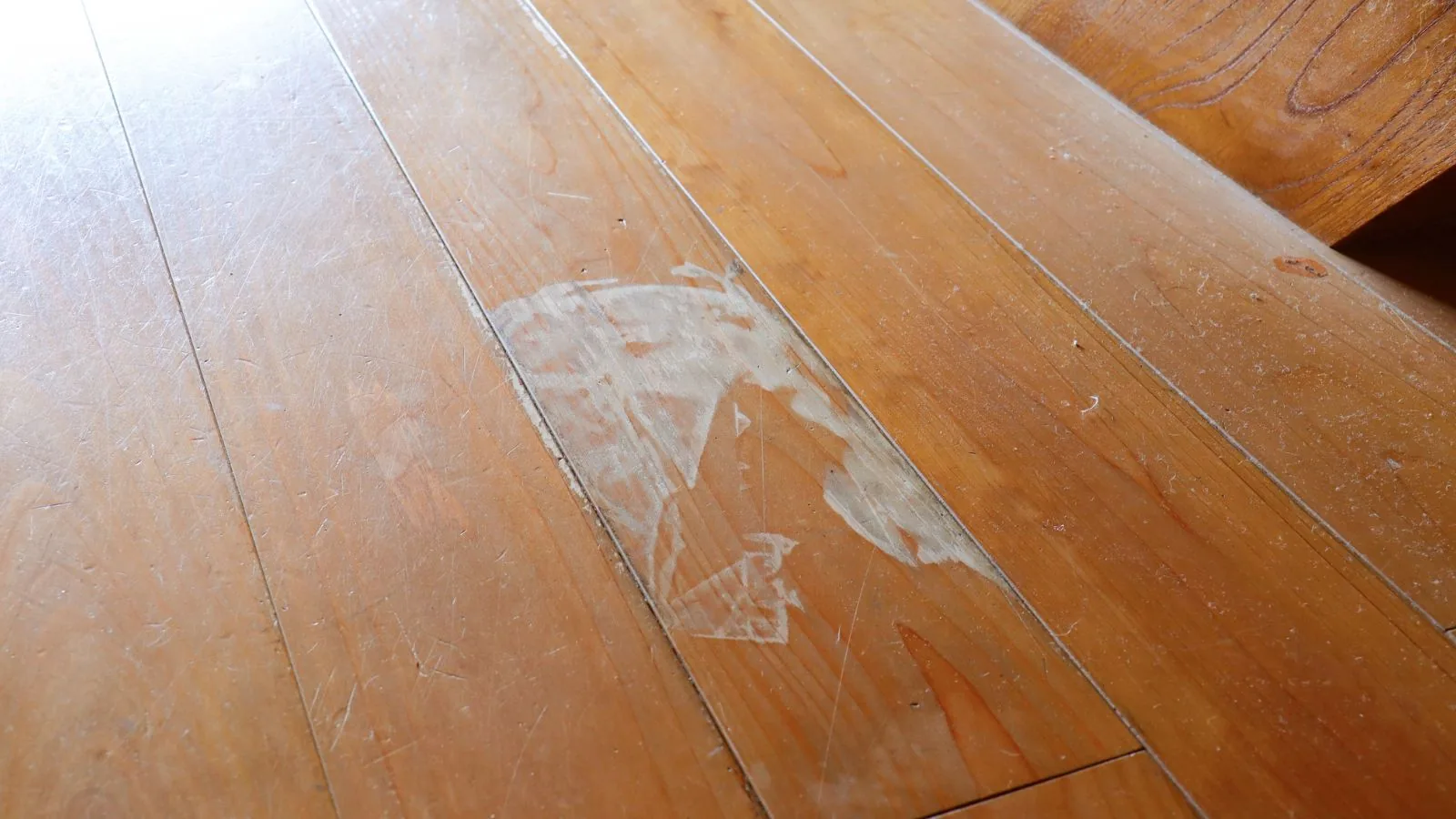
Hardwood is a natural material that responds to moisture. When water gets under or onto a hardwood floor, the boards take it in and expand. They push against each other and can lift off the subfloor. The visible damage often appears days after the water event, when the boards finally finish absorbing it.
Types of Floor Damage
| Condition | What it looks like | Typical cause |
|---|---|---|
| Cupping. | Edges higher than the center. | Moisture from below, or humidity. |
| Crowning. | Center higher than the edges. | Moisture dried from the top after cupping. |
| Buckling. | Boards lift off the subfloor. | Heavy saturation. |
| Staining and blackening. | Dark spots. | Water on the surface for a long time. |
| Gaps. | Boards shrink after drying. | Drying too fast. |
Cupping is the most common result after a leak, and it is often reversible if the floor is dried slowly and moisture is gone. Buckling usually means the boards must be replaced.
Hardwood Floor Got Wet?
Call the 24/7 line before you sand or refinish anything.
What to Do for a Wet Hardwood Floor
- Stop the water source and remove standing water.
- Lift rugs and furniture and wipe the surface dry.
- Do not use heat, such as a heat gun or space heater. Fast drying cracks boards.
- Do not cover the floor with plastic. It traps moisture.
- Photograph the damage and note the type of wood and finish.
- Call us for moisture readings and a drying plan.
How We Dry Hardwood
Measure
Moisture meters check boards and the subfloor to find how deep the water went.
Extract
Water is removed. Specialized mats pull water out of boards through the surface.
Dry slowly
Controlled drying with dehumidifiers avoids cracking and gaps.
Decide: save or replace
Once dry, boards that stayed flat may be sanded and refinished. Boards that did not recover are replaced.
Hardwood in Local Homes
Many Alvin homes with hardwood sit on slabs. Water coming up through a slab, from a plumbing leak, or in from a door during a storm, hits the underside of the floor first. Humid Gulf Coast air also affects wood movement. A floor that was installed without allowing for moisture can start to cup after a long summer.
If water came from below the floor, read slab leak water damage. Hardwood installed over a wet slab will fail again if the moisture is not stopped.
Cost Factors
| Factor | Effect |
|---|---|
| Species and thickness. | Thicker solid boards can be sanded more than thin engineered ones. |
| Extent. | A small area may be repaired. A whole room often needs refinishing. |
| Time wet. | Floors wet for days are less likely to recover. |
| Subfloor condition. | Wet subfloor adds work. |
| Refinishing. | Sanding and finish are separate from drying. |
How Long Wood Floors Take to Recover
Wood dries slowly, and rushing it causes more damage. Technicians track moisture content in the boards and compare it to a reference reading taken from a dry area of the same floor. A floor is ready for sanding only when its readings match. Sanding too early traps moisture and can lead to new cupping.
A typical recovery involves a week or two of drying, a rest period to let the wood settle, then sanding and finishing. Some floors flatten on their own. Others stay cupped, and the boards need to be replaced.
Solid and Engineered Floors Behave Differently
| Floor type | After water exposure |
|---|---|
| Solid hardwood. | Swells and can cup. Can be sanded several times if thick enough. |
| Engineered hardwood. | Layers can separate. Thin wear layers limit sanding. |
| Laminate. | Swells at seams and rarely recovers. |
| Bamboo. | Reacts similarly to hardwood. |
| Vinyl plank. | Surface is waterproof, but water under planks can stay trapped. |
If you are not sure what kind of floor you have, look at the edge of a board near a vent or at a threshold. A technician can usually tell by inspection.
Refinishing and Matching
After sanding, the floor takes stain and finish. A full room is refinished to avoid visible lines. Matching an older floor can be a challenge, because aged wood and old finish look different from new. Ask for a test patch in a closet before deciding on a color. Keep your mitigation records separate from the refinishing quote so the insurer can review each one clearly.
The industry reference behind hardwood floor water damage work is the IICRC S500 standard for professional water damage restoration, which we use as the yardstick when explaining drying goals and equipment.
Hardwood Questions
Do you repair hardwood floor water damage in Alvin?
Yes. Call (844) 950-6900. Tell the dispatcher what happened and how long the floor has been wet.
Can a cupped floor be saved?
Often, if it is dried slowly. Wait until moisture readings are normal before sanding.
Should I pull up the boards?
Sometimes a few boards are removed to ventilate underneath. Do not pull them yourself without advice.
Does insurance cover a floor?
Sudden water damage is commonly covered. Gradual leaks usually are not.
How long does it take?
Drying often takes a week or longer. Refinishing follows.