
Mold Remediation in Alvin, TX
Mold usually follows water that was never fully dried. Texas licenses mold work, so knowing who does what, and what clearance means, protects you.
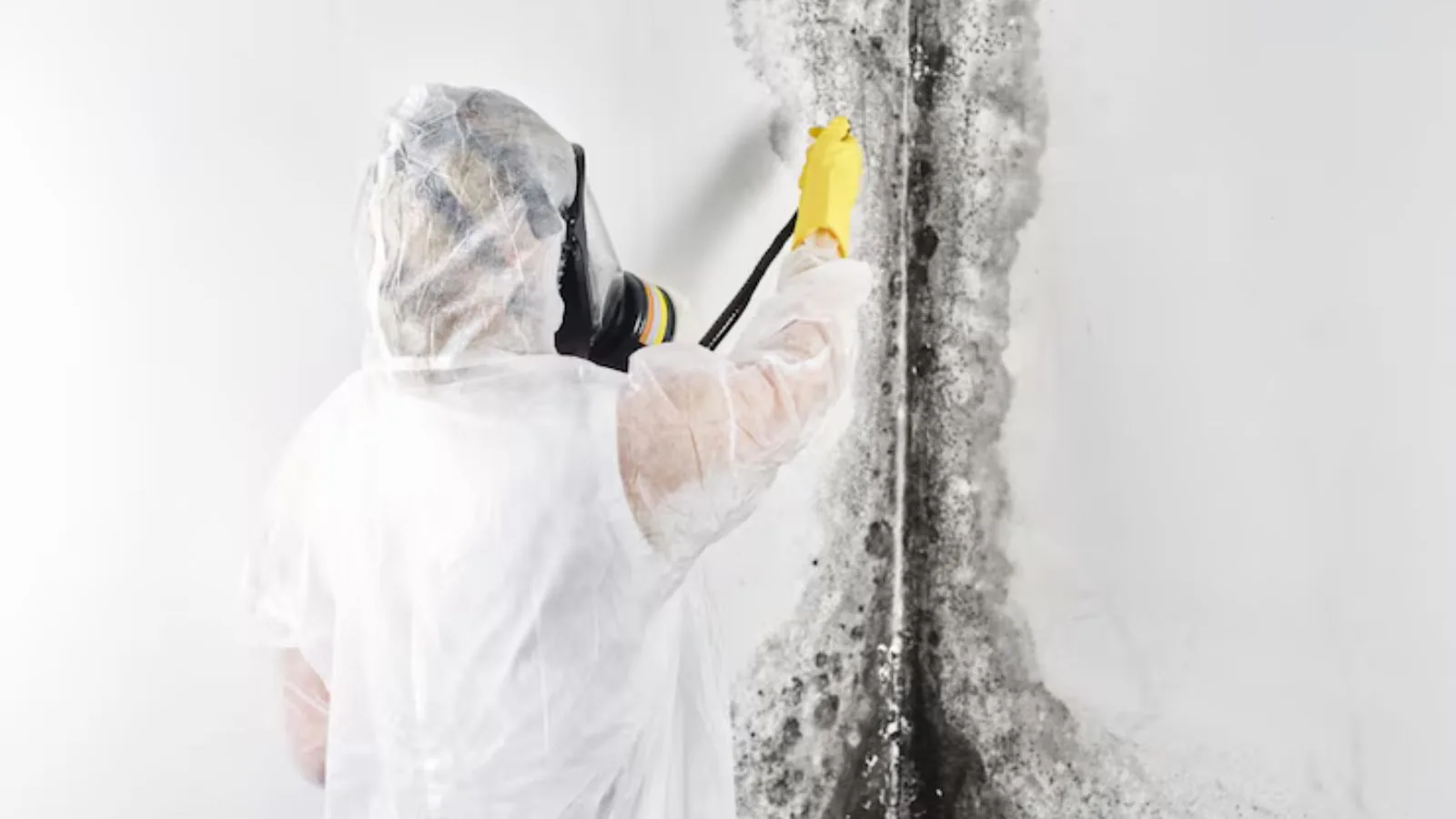
Mold needs moisture, a food source and time. Drywall, wood and carpet pad provide the food. A leak or flood provides the moisture. Alvin's warm, humid weather provides the conditions. That is why mold is the most common aftereffect of water that stayed in a house too long.
How to Know You May Have Mold
Mold is not always visible. It grows behind walls, under flooring and above ceilings. These clues suggest it may be present.
A musty or earthy smell
Odor is often the first sign, especially in a closed room or closet.
Discoloration on walls or ceilings
Fuzzy patches in black, green, white or gray, or dark rings that grow over time.
A past leak that never fully dried
Water damage left for more than a day or two is a risk.
Health symptoms indoors
Coughing, sneezing or irritated eyes that ease when you leave. A doctor, not a test, should diagnose health issues.
Water Damage First, Mold Second
If the area is still wet, call the 24/7 line. Drying now can prevent growth.
What to Do While You Wait for Help
- Do not disturb visible growth by scrubbing, sanding or spraying it dry.
- Keep fans from blowing across the moldy area toward the rest of the house.
- Wear an N95 respirator and gloves if you must enter the area.
- Keep children, pets and anyone with breathing problems away.
- Fix or report the leak that caused it, and run the AC and a dehumidifier.
Texas Licenses Mold Work
The Texas Department of Licensing and Regulation licenses mold assessors and mold remediators. In general, the same company may not both assess and remediate the same project. The assessor writes a protocol that says what must be done. The remediator carries it out. After the work, the assessor checks that the area meets the goals.
Under the minimum-area exemption, unlicensed people may work on less than 25 contiguous square feet of mold. A licensed contractor must follow the mold rules on any size job. Only a licensed remediator can issue the Certificate of Mold Damage Remediation, often called the CMDR.
| Role | What they do |
|---|---|
| Licensed mold assessor. | Inspects, samples if needed and writes the remediation protocol. Does clearance testing. |
| Licensed mold remediator. | Performs the cleanup under the protocol and issues the certificate after clearance. |
| Water damage restoration company. | Stops the moisture problem, dries the structure and prevents growth. |
Inspection, Testing and Clearance
Many people ask whether they need a test. Testing is not always required, and a visible patch with a known cause may not need lab work. An assessor decides what to sample and why. Clearance testing at the end proves the area is back to normal, and a certificate lets you show a buyer, lender or insurer that remediation was done properly.
Inspect
A licensed assessor finds the extent of growth and the moisture source.
Write a protocol
The plan sets containment, removal methods and clearance goals.
Remediate
A licensed remediator isolates the area, removes contaminated material and cleans with HEPA filtration.
Clear and certify
The assessor tests again. If the area passes, the remediator issues the certificate.
Selling or Refinancing a Home With Past Mold
Mold clearance matters when a home is sold or a loan is underwritten. A certificate of remediation, with clearance results, answers the buyer's and lender's questions. Without it, a past moisture problem can slow a sale. The certificate does not mean mold can never return. If the moisture problem is not fixed, growth can start again.
Why Mold Shows Up After Water Damage in Alvin
After a flood or a leak, Alvin homes often sit in warm, damp air. If drywall, carpet pad or insulation stay wet for several days, mold can begin to grow. The Brazoria County hazard mitigation plan describes repeated flooding in parts of the city. Many of those homes need fast drying more than they need testing. See structural drying and dehumidification for how drying prevents mold.
Mold and Your Insurance Policy
The Texas Department of Insurance says mold cleanup and testing are usually not included in standard homeowners policies, and that mold resulting from gradual leaks is not covered. Mold that results from a covered sudden water loss may be covered in some policies. Report water damage quickly, document it and ask your agent.
What Affects Mold Remediation Cost
| Factor | Effect |
|---|---|
| Area affected. | Larger areas need more containment and labor. |
| Material. | Drywall and insulation are removed. Wood can sometimes be cleaned. |
| Access. | Attics and crawl spaces are harder to work in. |
| Testing. | Assessments and clearance are separate from remediation. |
| Source repair. | Plumbing or roof repair is billed by that trade. |
The industry reference behind mold remediation work is the IICRC S500 standard for professional water damage restoration, which we use as the yardstick when explaining drying goals and equipment.
Mold Questions
How do I know if I have mold after water damage?
Look for musty smells, discoloration and past leaks that never dried. A licensed assessor can confirm and decide what to test.
Can the same company test and clean?
In general, Texas rules do not allow the same company to both assess and remediate the same project.
Do I need mold clearance for a home sale or loan?
It is not always required, but a clearance and a Certificate of Mold Damage Remediation can answer a buyer or lender who asks about past mold.
Can I clean small mold myself?
Texas allows unlicensed work under 25 contiguous square feet. Fix the moisture first or it will return.
Does bleach kill mold?
Bleach can lighten stains on hard surfaces but does not solve the moisture problem. Porous materials usually need to be removed.
Mold After a Leak or Flood?
Call the 24/7 line. We handle the water damage and can point you to the right licensed professional.
Call (844) 950-6900