
Emergency Basement Water Damage Cleanup in Alvin, TX
True basements are uncommon on the Gulf Coast, but below-grade rooms, garages, sunken living areas and low-lying ground floors flood the same way.
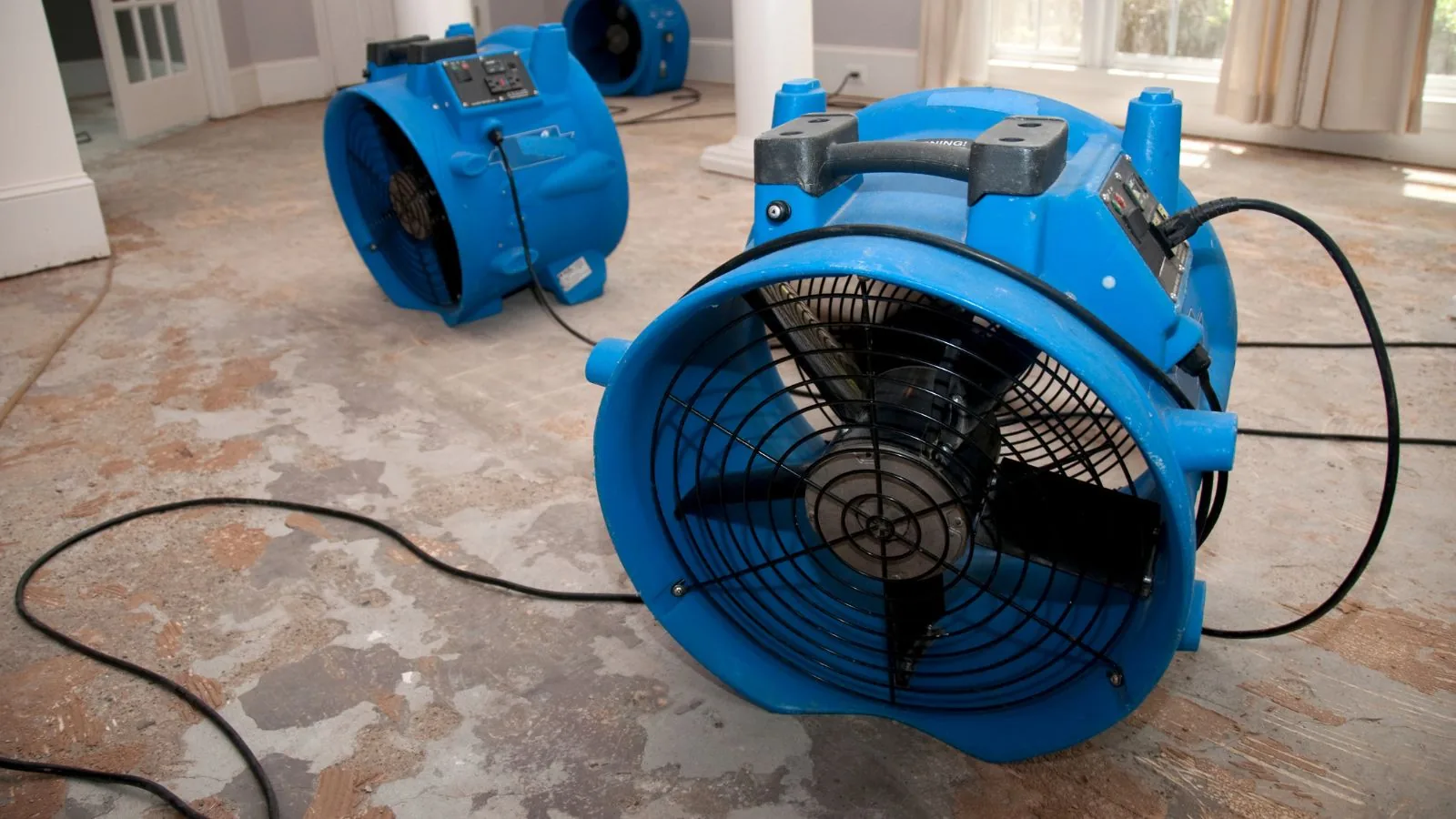
Texas Gulf Coast homes rarely have full basements because the water table is high. Water damage in a below-grade or lower-level space does happen, in finished garages, sunken rooms, storm shelters and ground floors below the street. When water enters those spaces it tends to collect, because there is nowhere for it to drain.
How Lower Levels Flood
Surface water
Heavy rain runs toward doors and window wells and pours in at the lowest point.
Groundwater seepage
A high water table pushes water up through floor cracks and wall joints.
Backups
Floor drains and sewer lines overflow when the system is overloaded.
Failed pumps
A sump pump that loses power during a storm leaves a space unprotected.
Water Collecting Below Grade?
Call the 24/7 line. Do not go into deep water near electrical outlets.
Safety First in a Flooded Lower Level
- Turn off the power from a dry location. Do not step into water to reach the panel.
- Check if the water is clean, gray or contaminated. Floor drain water is contaminated.
- Do not pump water out too quickly if the water is from outside. The soil outside may be saturated and walls can be damaged by pressure.
- Move belongings upward. Place wood furniture on blocks.
- Photograph the waterline and the damage.
- Call us for pumping and drying.
How We Clean a Flooded Lower Level
Pump
Submersible pumps move water out, ideally in stages.
Remove debris and mud
Silt is shoveled or vacuumed. Wet carpet and contents are removed.
Clean and sanitize
Floors and walls are cleaned and treated if the water was contaminated.
Dry
Dehumidifiers run until concrete and walls are dry.
Low Ground in Alvin
The Brazoria County hazard mitigation plan notes that Alvin's planning area covers 25.6 square miles and that 69 percent of it is affected by flood hazard. The plan identifies residential areas near West Talmage Road and Bellaire Boulevard as being in the 100-year floodplain. Below-grade or low-lying rooms in such areas are the first to take water.
If water came in with a storm, flood damage cleanup covers contamination steps in detail. A sump pump with a battery backup is the best defense if your space is prone to seepage.
Cost Factors
| Factor | Effect |
|---|---|
| Water depth. | Deeper water needs pumping in stages. |
| Water source. | Contaminated water adds sanitizing. |
| Finishes. | Finished rooms have drywall, carpet and trim to remove. |
| Contents. | Stored items may need to be dried or discarded. |
| Dehumidification. | Concrete and below-grade walls dry slowly. |
Why Lower Levels Take Longer to Dry
Concrete and masonry hold a lot of water, and they release it slowly. A below-grade wall can read wet for weeks after the surface looks dry. The air in a lower level also tends to be cooler, which makes standard dehumidifiers less effective, so desiccant units are sometimes used. Ventilation is limited, and humid outdoor air does not help in an Alvin summer.
Drying a lower level is therefore less about the number of days and more about the readings in the slab and the base of the walls. Contractors who pull equipment early often leave a damp slab under new flooring, which is a common cause of lifting floors and musty smells later.
What to Do With Belongings
Lower levels are often used for storage. Cardboard boxes, books and fabrics that sat in water are likely to grow mold in a few days. Sorting them quickly matters more than saving every item.
| Item | What to do |
|---|---|
| Photographs and documents. | Freeze or air dry them flat as soon as possible. Do not peel stuck pages apart. |
| Cardboard boxes. | Move contents to plastic bins. Discard soaked boxes. |
| Upholstered items. | Usually discarded if flood or drain water soaked them. |
| Wood furniture. | Wipe, raise off the floor and dry slowly. |
| Electronics. | Do not turn them on. Have a technician evaluate them. |
Photograph items before you discard them. Your insurer may ask for a list, and a photo is the easiest proof of what you had.
Preventing a Repeat
If your lower level has flooded more than once, the cause is usually drainage, not bad luck. Check that gutters discharge several feet from the foundation, that the ground slopes away from the house and that window wells have covers and drains. A sump pump with a battery backup protects against the power outages that often come with storms. Ask your city or county floodplain office what your property's flood zone is, and talk to your agent about flood coverage.
The industry reference behind basement water damage work is the IICRC S500 standard for professional water damage restoration, which we use as the yardstick when explaining drying goals and equipment.
Lower-Level Water Questions
Is emergency basement water cleanup available in Alvin?
Yes. Call (844) 950-6900 any hour and tell the dispatcher how deep the water is and what it came from.
Can I pump it out myself?
Small amounts yes. Deep water from outside should be pumped gradually.
Is it covered by insurance?
Flood and groundwater are generally excluded from standard policies. A burst pipe is usually covered.
Will mold form?
It can within days. Drying and dehumidifying quickly lowers the risk.
How do I stop it happening again?
Fix grading and drainage, maintain a sump pump and install a backup.
Lower Level Filling With Water?
Stay clear of electrical hazards and call the 24/7 line.
Call (844) 950-6900