
What to Keep or Toss After Water Damage in Alvin, TX
The decision depends on two things: what the water was and how long it sat. Contaminated water means most porous items go.
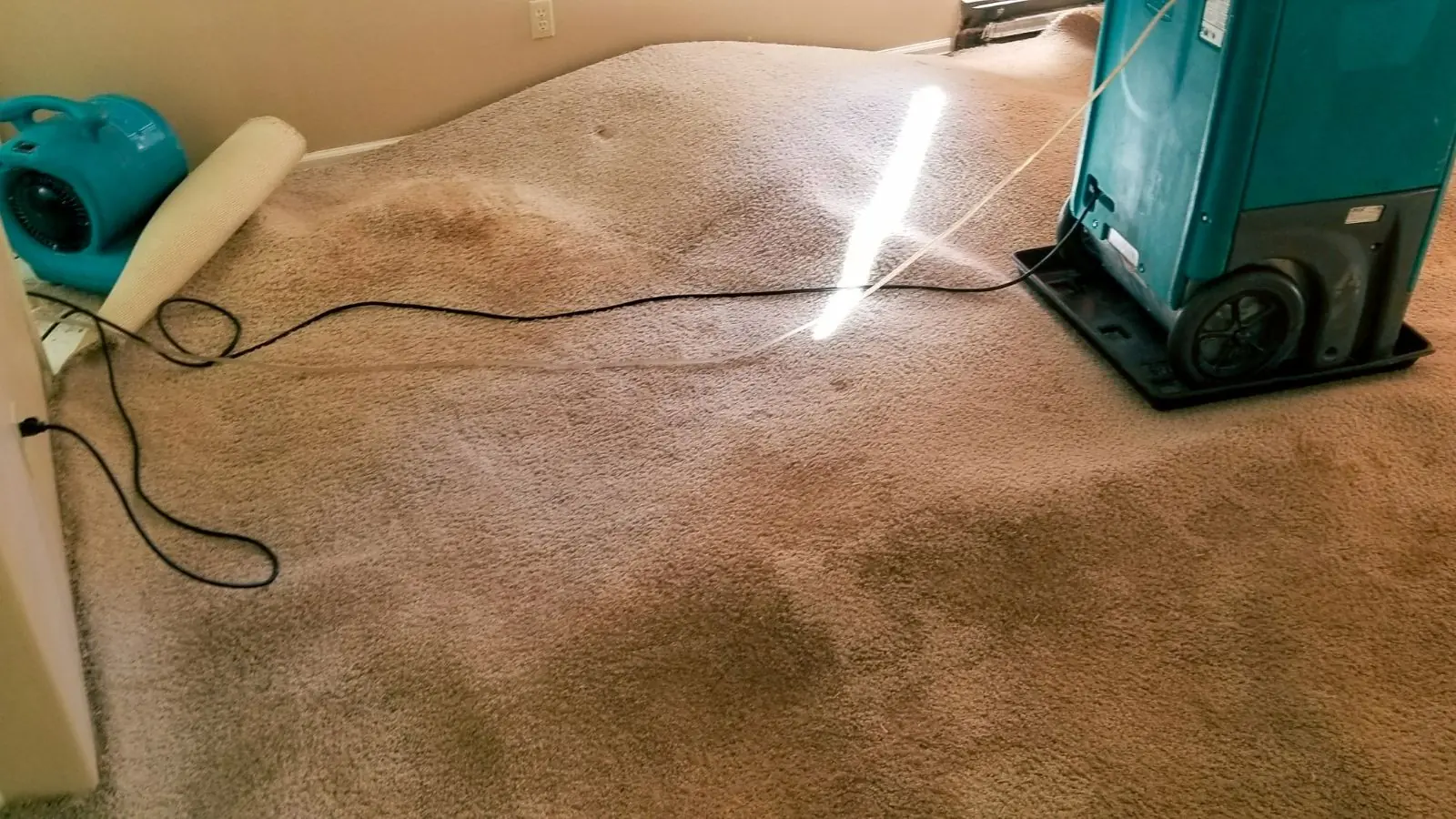
Short answer: with clean water caught within a day or two, many items can be dried and kept. With gray water, porous items are usually discarded and hard ones cleaned. With black water, from sewage or flood, almost all porous items are discarded. Photograph everything before you throw it away.
Know the Water Category First
| Category | Source examples | General approach |
|---|---|---|
| Clean (1). | Supply line, rain through a roof. | Dry most items if caught quickly. |
| Gray (2). | Washer or dishwasher discharge, toilet overflow without feces. | Clean hard items. Discard soaked porous items. |
| Black (3). | Sewage, flood water, long-standing water. | Discard porous items. Clean and sanitize hard ones. |
Time also matters. Clean water left for more than a day or two can turn into gray water as bacteria grow.
Building Materials
| Item | Clean water | Contaminated water |
|---|---|---|
| Drywall. | May be dried if firm. | Cut out. |
| Insulation. | Usually replaced if soaked. | Replaced. |
| Carpet. | Often dried and cleaned. | Discarded. |
| Carpet pad. | Often replaced. | Discarded. |
| Hardwood. | Sometimes saved. | Often replaced. |
| Tile and sealed concrete. | Cleaned and dried. | Cleaned and sanitized. |
| Particleboard cabinets. | Often replaced if swollen. | Replaced. |
Furniture and Household Items
- Solid wood furniture: often dried, cleaned and kept.
- Upholstered furniture and mattresses: discard after contaminated water. Clean-water items may be saved if dried fast.
- Particleboard furniture: usually swells and cannot be restored.
- Clothing and linens: wash hot if clean or gray water. Discard after black water or if moldy.
- Books and papers: freeze to buy time, then see a specialist for valuable ones.
- Stuffed toys and pillows: discard if contaminated.
Food and Medicine
Throw away any food that touched flood water or sewage, including canned goods whose seals may be compromised, unless they can be thoroughly cleaned and the cans are undamaged. Discard food in the refrigerator or freezer if the power was out long enough for it to warm. Replace medicines that got wet. When in doubt, throw it out.
Alvin Note
The Texas Department of Insurance advises homeowners to keep damaged items until the adjuster has seen them, or to photograph them first. If you must remove contaminated materials for health reasons, photograph them, list them and keep a sample if the adjuster wants one. Standard homeowners policies usually exclude flood, so check what applies. Brazoria County's hazard plan describes recurring flooding in parts of Alvin, which makes a flood policy worth reviewing.
How to Document Items You Discard
- Photograph each item and any label or serial number.
- Write down the brand, age and estimated value.
- Keep receipts if you have them, or note where they might be found.
- Store small samples of flooring or fabric if the adjuster asks.
- Make a spreadsheet or list by room.
This record is the contents inventory insurers ask for. It is easier to make while the items are still there. See flood damage cleanup and sewage backup cleanup for the contaminated cases.
Items Worth Saving Even if Damaged
Photographs, family papers, jewelry, and small antiques are worth stabilizing. Rinse mud gently with clean water if you must, then air dry or freeze. Do not use heat. Contact a conservator for valuable items. Digital copies of papers help in future losses.
Cleaning Items You Decide to Keep
Items that passed the sort need cleaning and drying. Hard goods such as glass, metal and sealed plastic are washed with detergent and water, rinsed and sanitized if the water was contaminated. Wood is wiped and dried slowly away from direct heat. Fabrics that can be laundered are washed on hot if the label allows.
- Wear gloves and boots when you handle items from contaminated water.
- Wash and sanitize cookware, dishes and utensils before use.
- Dry electronics only with professional help.
- Keep items you are unsure about in a separate area until you decide.
Children's Items and Bedding
Be strict about items children handle. Toys that cannot be washed and sanitized should be discarded after contaminated water. Pillows, stuffed animals and mattresses that sat in flood or sewage water cannot be made safe. Clean-water exposure can be less severe, but speed matters.
Disposal and Debris
Bag wet debris and keep it out of living areas. After a flood or storm, local governments often announce debris pickup rules. Ask the City of Alvin or Brazoria County about collection schedules, and sort items by type if asked. Do not burn wet debris. Keep photos and a list of what you discard.
A Room-by-Room Method
Work through one room at a time, so the job feels manageable and your records stay organized. Start in the room with the least damage. That builds momentum and gives you a sorting system before you reach the hardest rooms.
- Clear a staging area on a dry surface, such as a covered table or a driveway tarp.
- Sort items into three groups: keep, clean and decide, and discard.
- Photograph each group before you move on.
- Bag and label discards by room.
- Write down anything valuable that you are unsure about, and set it aside for the adjuster or a specialist.
Items That Need Special Handling
- Medications and medical devices: ask a pharmacist.
- Firearms and ammunition: follow safe handling rules and local guidance.
- Paint, chemicals and fuel containers: do not throw in regular trash. Ask the county about hazardous waste.
- Batteries and propane tanks: keep away from heat and follow local disposal rules.
- Appliances: have a technician check them before use.
Households with children, older adults or people with weak immune systems should be stricter. When in doubt, throw it out, and keep the photo.
Why Speed Matters More Than Sorting Perfectly
Warm, humid weather turns wet porous items into a mold problem quickly. In Alvin, that clock can run in a couple of days. If you cannot decide about an item, move it to a dry, ventilated area, photograph it and decide later, but do not leave soaked materials in the room where they were wet. The longer wet material sits against walls and floors, the longer those surfaces stay wet too.
Many people also overestimate how much they can save. A soaked sofa, a mattress or a stack of cardboard boxes rarely recovers. Spending hours on items that cannot be saved delays drying of the building. Make the clear discard decisions first, and the rest becomes easier.
Hiring Help for Heavy Lifting
Wet carpet, drywall and furniture are heavy and may be contaminated. If you are alone, have a bad back or the water was dirty, let the crew handle removal. A restoration crew carries protective equipment, knows how to bag contaminated material and can remove it faster than most households. Keep your photos and lists, and let the crew work around them.
If your home is outside Alvin, crews also serve Manvel, Liverpool and Pearland.
Keep or Toss Questions in Alvin
Can I keep a mattress that got wet?
If the water was clean and it was dried within a day, maybe. After contaminated water, no.
Should I throw out wet drywall?
If it is soft, stained, moldy or from contaminated water, yes. Firm drywall wet with clean water may dry.
What about wet carpet in Alvin's humidity?
Clean-water carpet caught fast can be dried. Pad is often replaced because mold grows quickly in warm air.
Do I need the adjuster to see everything?
Photograph first. Ask whether the adjuster wants to see items before disposal.
Where do I dispose of flood debris?
Check with the city of Alvin or Brazoria County for debris collection rules.
Water Still Spreading?
Call the 24/7 emergency line and tell the dispatcher what happened.
Call (844) 950-6900