
What a Water Damage Estimate Should Include in Alvin, TX
A good estimate separates what stops the damage from what rebuilds the room, and says how each number was reached.
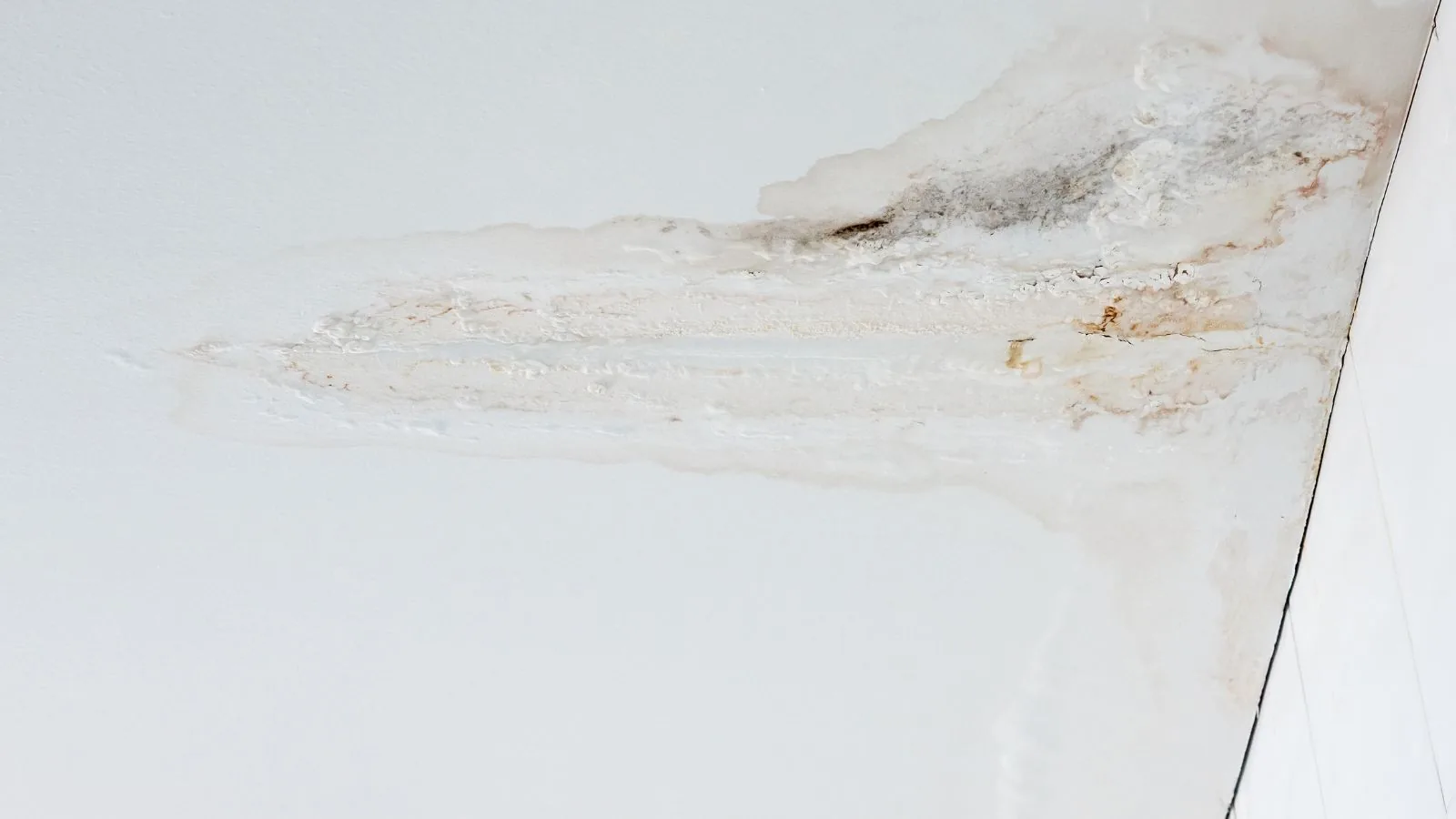
Short answer: a useful estimate lists the work in separate lines, shows how long equipment will run, names the materials that will be removed and says what is repair rather than mitigation. It should also state what is not included and what could change the price.
Estimate or Quote?
An estimate is a good-faith figure based on what the contractor can see. Hidden water changes it. A written scope of work is the more detailed document that describes the tasks. You want both. If a company gives a single lump sum with no description, ask for the breakdown before you agree.
Sections a Good Estimate Has
| Section | What it covers |
|---|---|
| Emergency services. | Water extraction, moisture mapping, protective measures. |
| Equipment. | Air movers, dehumidifiers and air scrubbers, with count and days. |
| Demolition. | Materials removed, such as baseboards, drywall, insulation and flooring. |
| Cleaning and treatment. | Antimicrobial treatment and debris removal. |
| Monitoring. | Daily visits and readings. |
| Contents. | Moving, cleaning or storing belongings. |
| Repairs. | Drywall, paint, flooring and carpentry. |
| Exclusions. | What is not included. |
How Equipment Is Priced
Equipment is usually charged per day per unit. The estimate should say how many units are expected and for how many days. Since drying is driven by readings, the number of days is a forecast. Ask the contractor to explain what would extend it and how they will tell you.
Mitigation Versus Repair
A common source of confusion is a bundled number that hides what is mitigation and what is repair. Mitigation stops damage and is time sensitive. Repair rebuilds and usually can wait for the insurance settlement. When the two are separated, you can authorize mitigation immediately and review repairs later.
Alvin Note
The Texas Department of Insurance advises homeowners to document damage, keep damaged items until the adjuster has seen them and report hidden damage within days. Bring the written estimate and the contractor's photos and moisture readings to the adjuster. Many Alvin homes sit on slabs, where water can spread under flooring, so a good estimate allows for checking beyond the visible stain.
Red Flags in an Estimate
- A single lump sum with no description.
- No mention of moisture readings or monitoring.
- Equipment priced without a day count.
- Demolition of large areas with no reason given.
- A promise of what your insurer will pay.
- A request for large payment before work starts.
- No exclusions listed.
Questions to Ask About the Number
- What is included and not included?
- What could change the price after work starts?
- How will you tell me if the scope grows?
- Which items are mitigation and which are repair?
- How many equipment days do you expect, and what are the factors?
- Will you give me photos and logs for my insurer?
For a fuller list of questions to ask before hiring, see our services overview and the pages for water extraction and water damage restoration in Manvel.
Comparing Two Estimates
Compare line by line. A lower total may leave out equipment days, demolition or monitoring. A higher total may include repairs the other left out. Ask each contractor to explain the difference, and ask for the scope in writing.
An Example in Words
Consider a supply line that failed under a kitchen sink and wet the floor and lower cabinets. A clear estimate would list emergency extraction with the square footage, moisture mapping and documentation, equipment with unit counts and days, removal of toe kicks and a section of baseboard, drywall removal to a stated height, and cleaning. Repairs would follow in their own section, with drywall, paint, baseboard and flooring each priced by unit.
Notice what is missing from a poor estimate. It lists a single figure, a few words such as water damage cleanup and no day count. The two documents might produce a similar total, but only the first tells you what you are paying for and lets your insurer compare.
Contents, Pack-Out and Storage
If belongings must be moved, the estimate should say who moves them, where they will be stored and how long. Contents handling can add significant cost. Ask whether it is part of the mitigation scope or a separate service. Keep a list of what leaves the house.
Permits and Code Items
Some repairs need permits, and some work must meet current code. Electrical or plumbing repairs are done by licensed trades. Ask which items in the estimate require a permit and who pulls it. Check with the City of Alvin building department for local rules, since details vary by project.
Why Prices Vary Between Companies
Two honest estimates for the same loss can differ. One contractor may plan more equipment and fewer days. Another may plan less equipment and more days. One may remove more drywall to reach a wet cavity, while another may drill and dry in place. Differences in approach are normal. Differences that cannot be explained are not.
- Ask each contractor how many air movers and dehumidifiers and why.
- Ask what readings will trigger removal of a material.
- Ask whether the plan involves opening walls or drying in place.
- Ask which items are optional.
Payment Terms
Payment terms belong in the document too. Typical arrangements include a deposit, progress payments and a final payment after you confirm the work is complete. If your insurer is paying, ask whether the company will wait for the insurer or expect payment from you first. Ask what happens if the insurer pays less than the estimate. Get the answers in writing.
A reasonable deposit for mitigation work is normal. Demands for the full amount up front are not. Never pay for work that has not been done, and never pay cash without a receipt.
Keeping Your File Together
Keep the estimate, the signed authorization, photos, daily readings, change orders, invoices and every note from calls with the insurer in one folder, paper or digital. If a dispute arises, this folder is your best evidence. It is also what a later buyer of your home may ask to see.
The IICRC S500 standard is the industry reference for how drying equipment is chosen, so a contractor should be able to explain equipment counts in those terms.
The drying lines are the ones most worth questioning, and structural drying and dehumidification explains how equipment days are decided.
Homeowners in Manvel, Liverpool and Pearland can call the same 24/7 line.
Estimate Questions in Alvin
Is a phone quote reliable?
Not without seeing the damage. Hidden moisture can change a job.
Should I get more than one estimate?
If time allows. In an emergency, stop the damage first.
Do estimates include repairs?
Some do. Ask for mitigation and repair in separate sections.
Will my insurer accept the estimate?
It is reviewed against the adjuster's own. Provide photos and readings.
What if the price changes?
Ask for a written change order that explains the new scope.
Water Still Spreading?
Call the 24/7 emergency line and tell the dispatcher what happened.
Call (844) 950-6900