
Water Damage Restoration vs Remediation in Alvin, TX
The words sound alike and contractors use them loosely. They describe different stages, and in Texas the mold stage has its own license.
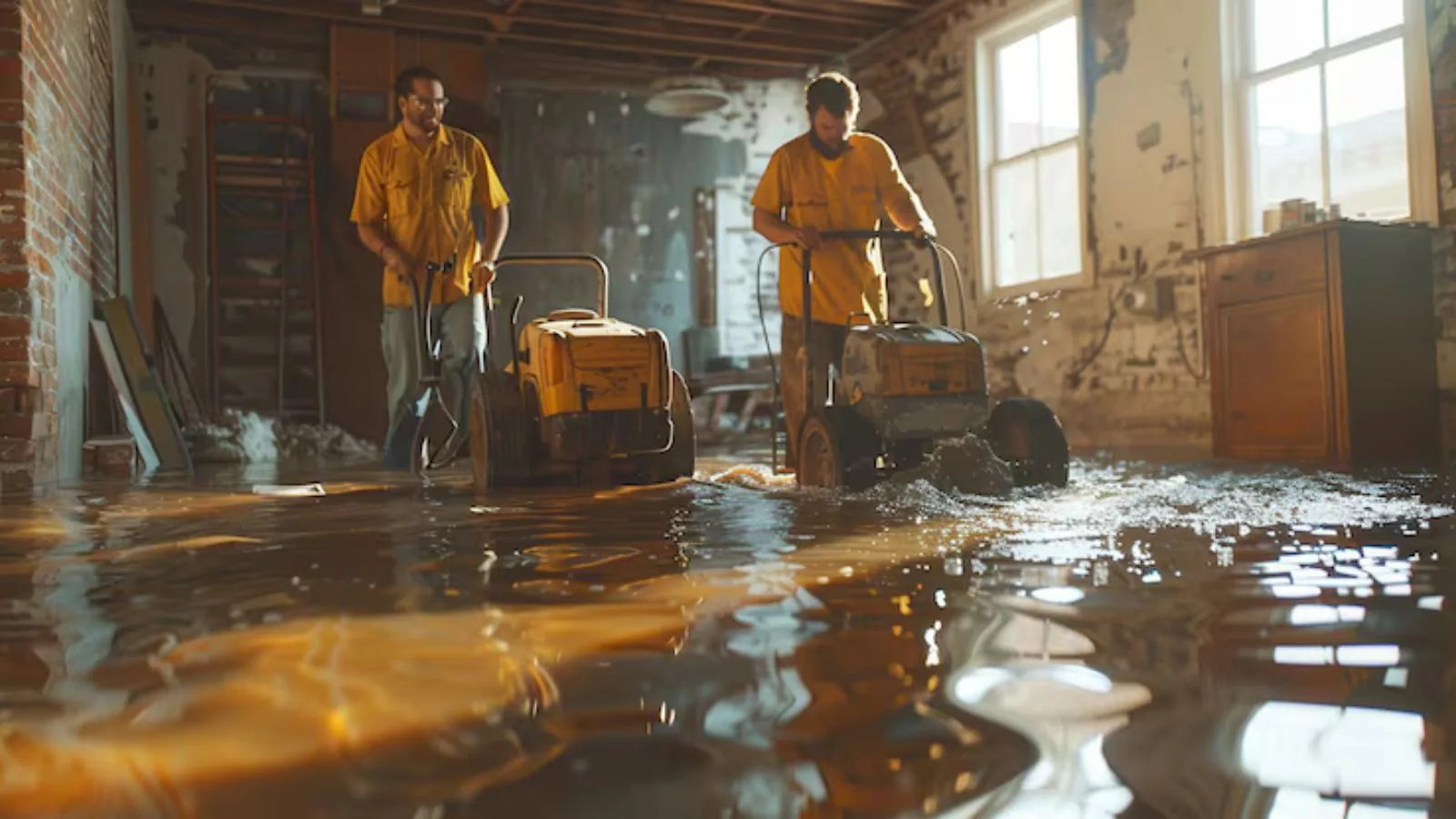
Short answer: mitigation stops the damage from getting worse. Restoration returns the property to its pre-loss condition. Remediation is the term most often used for cleanup of a hazard, such as mold or contamination. In Texas, mold remediation is a licensed trade separate from mold assessment. For water damage, you usually need mitigation first, then restoration.
Three Words, Three Jobs
| Term | What it means | Example |
|---|---|---|
| Mitigation. | Actions that stop further damage. | Extracting water, drying walls, tarping a roof. |
| Restoration. | Repairs that bring the building back to normal. | New drywall, flooring, paint. |
| Remediation. | Cleanup of a contaminant or hazard. | Removing mold, treating sewage damage. |
A company that calls itself a restoration company may do all three. Another may only do mitigation. Ask which stages are included in the scope you are being offered.
Where Water Damage Restoration Starts
A water loss starts with mitigation. The first hours matter most. Crews remove standing water, find hidden moisture and dry the structure. Industry standards such as the IICRC S500 guide this work, and daily logs show the building is drying. Restoration follows when the readings are normal.
Restoration includes replacing what mitigation removed. That could be drywall, insulation, baseboards, flooring and paint. Many insurers pay for mitigation and restoration as separate line items. Understanding which is which helps you read an estimate. See our structural drying page for the mitigation stage.
Where Remediation Comes In
Remediation describes cleanup of something harmful in the building. After a sewage backup, remediation means removing contaminated materials and sanitizing. After mold growth, remediation means removing mold and the materials it affected, under a plan.
Alvin Note
Texas licenses mold assessors and mold remediators through the Department of Licensing and Regulation. Generally the same company may not assess and remediate the same project. An assessor writes a protocol and checks the result. A remediator does the work and, after clearance, issues the Certificate of Mold Damage Remediation. The Texas Department of Insurance says mold cleanup and testing are usually not covered by standard homeowners policies.
Why the Difference Matters to You
- It affects who you call. A water damage company dries the building. A licensed mold professional handles mold.
- It affects the estimate. Mitigation, restoration and remediation are separate scopes.
- It affects insurance. Mitigation after a covered loss is often paid. Mold may be limited or excluded.
- It affects sales and loans. A mold clearance certificate answers a buyer or lender.
What to Do and in What Order
Mitigation
Water is removed and the structure is dried. Documents and readings are kept.
Assessment if mold appears
A licensed assessor inspects and writes a protocol.
Remediation
A licensed remediator carries out the plan.
Restoration
Drywall, flooring and paint are rebuilt.
For storm losses with flooding, flood damage cleanup adds contamination steps. For nearby towns, see Pearland.
How the Terms Show Up on Estimates
The words show up differently on different documents. An adjuster's estimate may list water mitigation lines, repair lines and a separate mold line. A contractor's scope may use restoration for everything. Ask the person who wrote it to explain the sections. If your insurer's estimate separates mitigation from repair, match your contractor's scope to the same sections so it is easy to compare.
| Document | Common labels |
|---|---|
| Insurer's estimate. | Mitigation, repairs, contents, additional living expenses. |
| Contractor's scope. | Emergency services, demolition, drying, rebuild. |
| Mold assessor's protocol. | Containment, removal, cleaning, clearance goals. |
Industry Standards in Plain Language
The IICRC S500 describes accepted practice for water damage restoration, including categories of water, classes of loss and drying methods. The IICRC S520 does the same for mold remediation. These are industry documents, not laws. They help explain why crews dry for several days, why contaminated materials come out and why daily readings matter. In Texas, mold work is also governed by state licensing rules.
Putting It All Together for Your Project
For a simple clean-water leak with fast drying, you may only need mitigation and a modest repair. For sewage or flood water, remediation steps are added. For long-standing moisture and visible mold, a licensed assessor and remediator enter the picture. A good water damage company will tell you where your project falls and what comes next.
Common Misunderstandings
- Thinking a restoration company can test and clean mold on the same project in Texas. The licensing rules generally separate those roles.
- Assuming mitigation and repair are the same. Drying is not the same as rebuilding.
- Believing that bleach is remediation. Remediation removes or cleans contaminated material and fixes the cause.
- Assuming insurance pays for every stage. Mitigation after a covered loss is often covered. Mold and some repairs may be limited.
Reading a Contractor's Website
Many company websites use restoration, remediation and mitigation interchangeably. Do not rely on the label. Ask for the list of services included in your scope, with a description of each task. Ask whether the company holds the licenses that apply to the work, and whether any part will be handled by a subcontractor. Plain answers to those questions tell you more than the words on a home page.
A Short Example
A washing machine hose bursts on a Friday night. On Saturday a crew extracts water and sets drying equipment. That is mitigation. On Wednesday readings are normal and the equipment goes.
The crew then replaces baseboards and a strip of drywall and repaints. That is restoration. If, a week later, a musty patch appears behind a cabinet that was missed, a licensed assessor inspects it and writes a protocol, and a licensed remediator removes the growth. That is mold assessment and remediation, and it is a separate project.
Seen this way, the terms are less confusing. Each marks a stage, a different skill set and, in some cases, a different licence.
Why the Order of Work Matters
Doing the stages out of order wastes money. Rebuilding drywall before the cavity is dry traps moisture and invites mold. Cleaning mold before the moisture source is fixed means it grows back. Drying a house while sewage-contaminated materials are still in it just spreads the problem. A sound plan stops the source, removes contaminated or unsalvageable material, dries what remains, cleans, confirms dryness and only then rebuilds.
If a contractor wants to rebuild before showing you readings, ask why. If a company wants to test for mold before the water is out, ask what the test will change. Each step should have a reason.
Cost Differences in Plain Terms
Mitigation costs depend mostly on the area affected and equipment days. Restoration depends on the quantity of materials and finishes. Remediation depends on the extent of contamination and the containment needed. A small, fast mitigation can avoid a large restoration and a very costly remediation. That is why the first hours matter so much.
Crews cover more than Alvin. The service area includes Manvel, Liverpool and Pearland.
Questions About Restoration and Remediation
Is restoration the same as remediation?
No. Restoration rebuilds. Remediation cleans up a hazard such as mold or sewage.
Who does the mold work in Alvin?
Licensed Texas mold professionals. An assessor writes the plan and a remediator carries it out.
Can one company do mitigation and restoration?
Yes, many do. Ask whether the scope separates them.
Does my insurance pay for each?
Often mitigation and restoration after a covered loss. Mold coverage is more limited.
What is clearance?
A test by the assessor after remediation to confirm the area meets the plan's goals.
Water Still Spreading?
Call the 24/7 emergency line and tell the dispatcher what happened.
Call (844) 950-6900