
Water Damage Insurance Claim Steps in Alvin, TX
The order you do things matters. Stop the damage, document it, report it and keep the evidence until the adjuster has seen it.
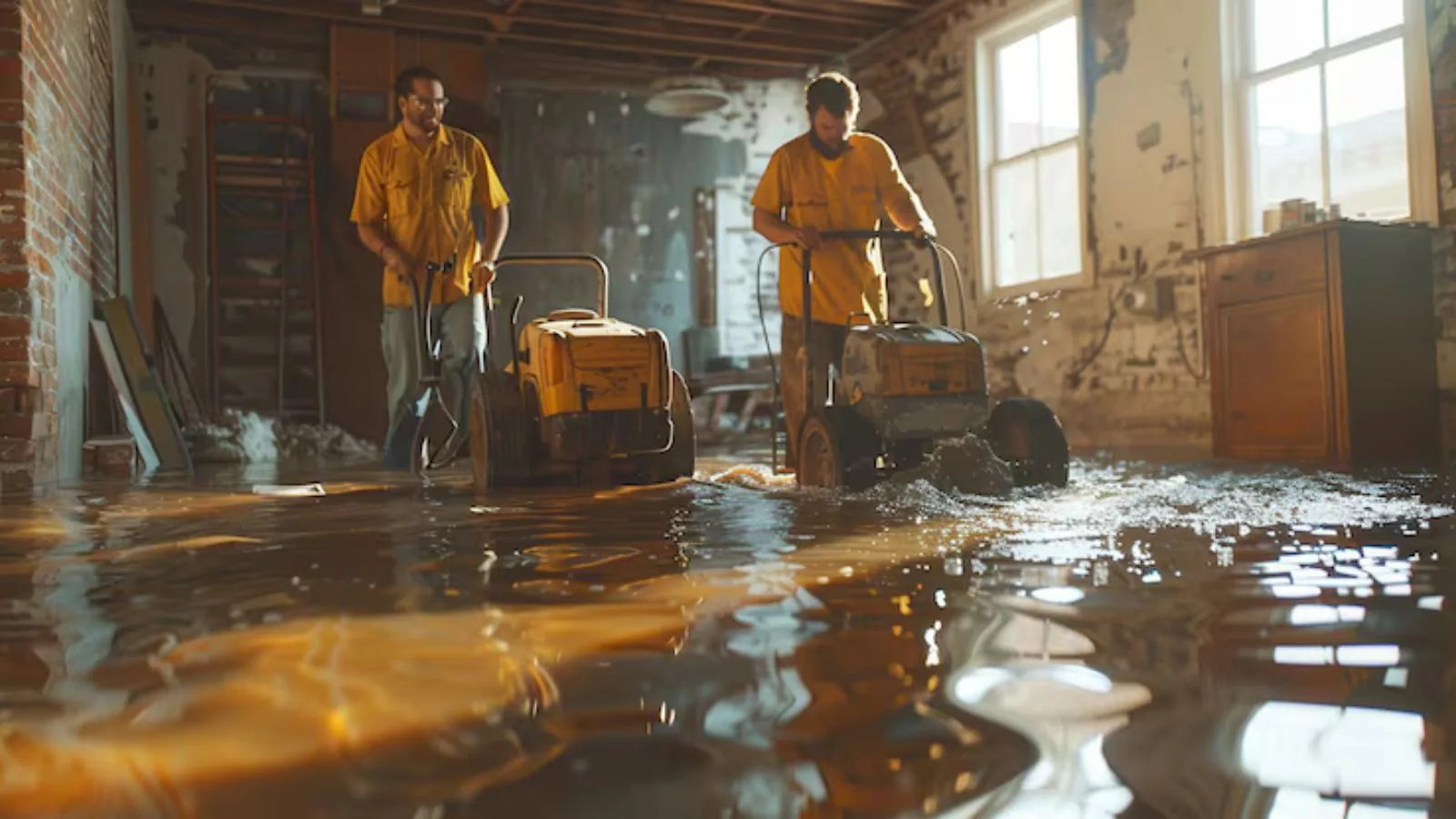
Short answer: make the house safe, stop the water, take photos or video, report the loss quickly, keep the damaged items until the adjuster sees them and keep receipts. The Texas Department of Insurance (TDI) gives the same basic advice. The details below fill in what each step looks like in a real Alvin house.
Step 1: Make the House Safe
Before you think about claims, deal with safety. Turn off the main water valve if the source is plumbing. Turn off breakers to wet rooms, but do not step into standing water to reach the panel. If water came from a sewer or flood, keep children and pets out. If anyone is hurt or the structure looks unsafe, leave and call for help.
Step 2: Document Before You Clean
TDI advises photographing or recording video of damage as soon as it is safe. Do this before you move anything. A good record has wide shots of each room, close-ups of damage, the source of the water and the waterline on walls.
| What to photograph | Why it helps |
|---|---|
| The source, such as a burst pipe or roof opening. | Shows cause, which affects coverage. |
| Each wet room from the doorway. | Shows the extent. |
| Waterlines on walls and furniture. | Shows depth and how long water was present. |
| Damaged belongings, with brand labels. | Supports the contents claim. |
| Meters, labels and model numbers. | Shows age and condition of failed equipment. |
Add a short narrated video. Walk through each room and say what you see and what you think happened. Save copies in the cloud.
Step 3: Stop Further Damage
Your policy expects you to take reasonable steps to prevent more damage. That can mean closing a valve, tarping a roof and starting water removal. Keep receipts. Call a restoration company early. Extraction and drying are the steps that prevent mold. See our water extraction page for what the first hours involve.
Step 4: Report the Loss
Call your insurer or agent and report the damage. Have your policy number, the date and time you found the damage, and a short description. TDI notes that hidden damage should be reported within days of discovery. Ask for a claim number and write down the name of the person you spoke to.
Alvin Note
Alvin's repetitive loss history makes documentation especially important. Brazoria County's hazard mitigation plan counts 106 residential and 6 non-residential repetitive loss properties in Alvin, meaning properties that have flooded more than once. If you have a flood policy under the National Flood Insurance Program, TDI says the claim must be filed within 60 days. If your home has flooded before, keep records of previous claims and repairs.
Step 5: Keep the Damaged Items
TDI advises not discarding damaged items before the adjuster has seen them. If you must remove wet materials for safety, such as carpet, photograph them and keep a sample. Ask the adjuster whether they want to see the items. Bag and label anything you keep.
Step 6: Meet the Adjuster
The adjuster inspects the damage and writes an estimate. Walk through each room with them. Point out the source and hidden areas. Give them the photos and the restoration company's moisture logs. Ask when you can expect the estimate and how payment works.
- Have the contractor's scope of work available for comparison.
- Ask the adjuster to explain anything left out.
- Take notes of what was said and agreed.
- Do not sign a release until you understand what it covers.
Step 7: Review the Estimate and Start Repairs
Compare the adjuster's estimate with the scope of work from your contractor. If they differ, ask the contractor to explain the difference and send supporting photos and readings to the adjuster. Our guide on water damage restoration in Pearland and Manvel covers how crews document losses outside Alvin.
What If You Disagree?
If the estimate is low, ask for a reinspection and give more documentation. You can hire a public adjuster. If you think the insurer has treated you unfairly, TDI accepts complaints at 800-252-3439. Write down dates and keep copies.
Common Mistakes
- Waiting to report because you hope the damage is small.
- Throwing items away before photographing them.
- Painting over stains before the adjuster sees them.
- Signing a contractor's assignment form without reading it.
- Letting equipment run without a log of readings.
For the pipe case, burst pipe water damage has a checklist for the first hour.
Building a Contents List
The contents claim is where many homeowners lose money by forgetting items. Walk through each affected room slowly, and make a list while memories are fresh. Open closets and drawers. Think about the room in layers: furniture, electronics, decor, clothing, kitchenware, tools and stored boxes.
| Room | Items people often forget |
|---|---|
| Living room. | Cables, game consoles, lamps, rugs, books. |
| Kitchen. | Small appliances, cookware, pantry food, dishes. |
| Bedroom. | Bedding, clothing, shoes, jewelry boxes. |
| Garage. | Tools, holiday decorations, sports gear. |
| Office. | Chargers, printers, files, supplies. |
For each item, note what it was, when you bought it and what it cost, if you remember. Photos of the room before the loss, even in the background of old pictures, can help prove what you owned.
Living Expenses While You Are Out
If the house is not livable during repairs, many policies pay additional living expenses. These may cover a hotel or rental, extra food costs and laundry. Keep receipts and ask your adjuster what is covered, for how long and at what daily limit. Ask before you commit to a long lease.
How Long the Process Takes
Timelines vary. After a large storm, adjusters are stretched thin and inspections take longer. Texas law sets deadlines for insurers to acknowledge claims, request information and decide them, and TDI can explain them if you call 800-252-3439. Meanwhile keep the building dry and protect it from more damage. Emergency work is not meant to wait for the adjuster.
- Keep a log of every call, with the name, date and what was said.
- Send important requests in writing or by email.
- Keep copies of every document you send and receive.
- Follow up politely when deadlines pass.
Restoration crews follow the IICRC S500 standard when they record moisture readings and drying progress, and those records are what an adjuster looks for.
Claim Questions in Alvin
How soon do I need to file in Alvin?
As soon as you discover the damage. TDI says hidden damage should be reported within days. NFIP flood claims must be filed within 60 days.
Should I wait for the adjuster before starting cleanup?
No. Stop the damage, document it and keep receipts. The adjuster expects you to prevent further loss.
Can the restoration company talk to my insurer?
We provide photos, logs and a scope. Your insurer decides coverage. You remain the policyholder.
What if I rent?
Your landlord's policy covers the building. Your renters policy covers your belongings. Report to both.
What if the damage was from a storm and a leak together?
Tell the adjuster about both. They may treat wind, rain and flood differently.
Water Still Spreading?
Call the 24/7 emergency line and tell the dispatcher what happened.
Call (844) 950-6900