
How to Kill Mold in Alvin, TX Homes
Cleaning mold off a hard surface is a job you can do. Fixing the moisture that caused it is the part that decides whether it comes back.
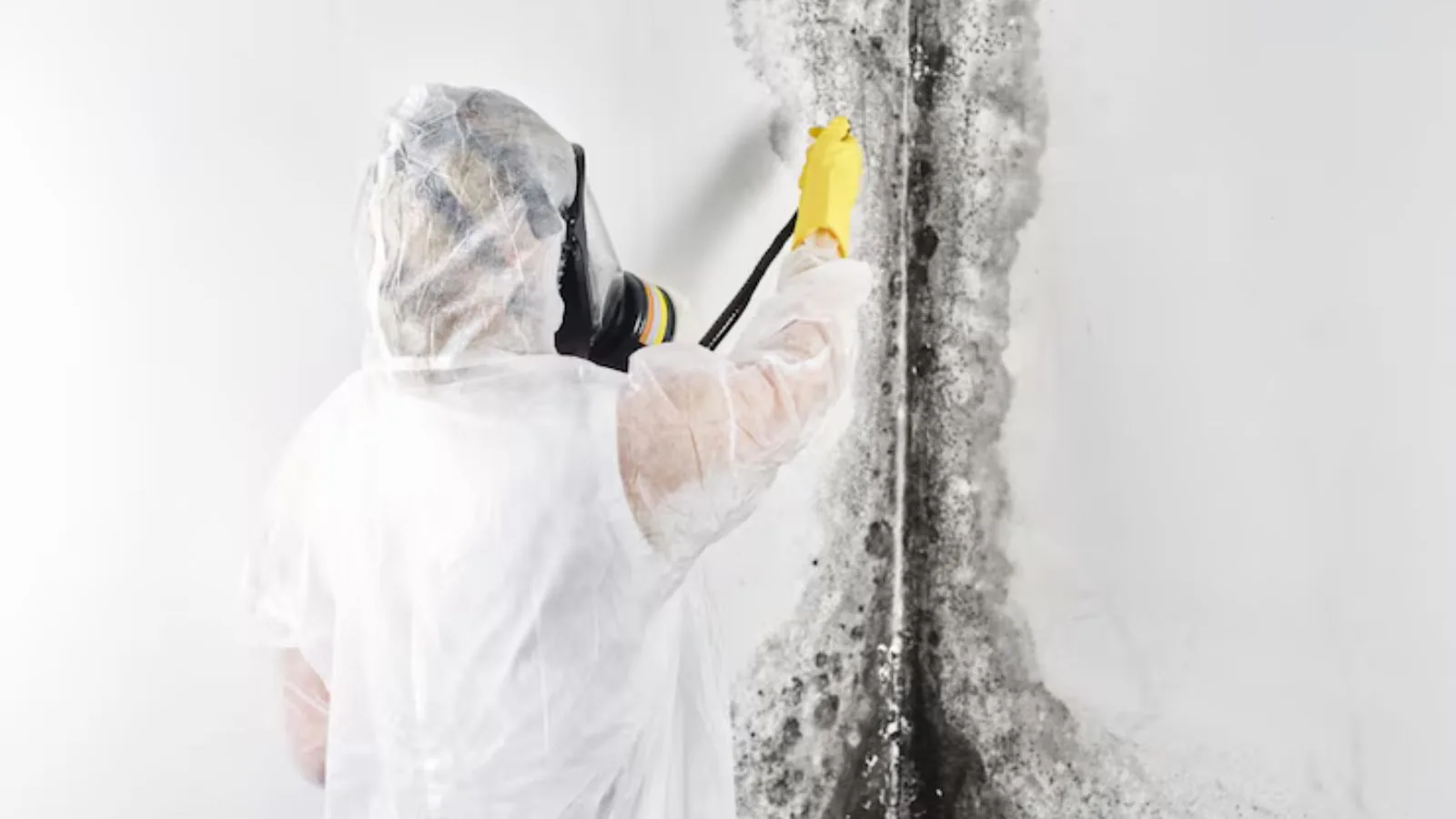
Short answer: mold on a hard, non-porous surface such as tile, glass or sealed countertops can be scrubbed off with detergent and water. Mold on drywall, carpet, ceiling tiles and insulation usually has to be removed, because the roots go into the material. In every case the cause is moisture. If you do not fix that, the mold returns.
Fix the Water First
Mold needs moisture. A leaking pipe, a roof leak, a clogged AC drain, a bathroom without ventilation and a house that stays humid all feed it. Cleaning the patch without correcting the cause is the most common reason mold comes back. Find the source, repair it and let the area dry completely.
In Alvin the air carries a lot of moisture for much of the year. Running the air conditioner, using a dehumidifier and keeping indoor humidity low are real preventive tools here, not optional extras. A hygrometer costs little and tells you where you stand.
Cleaning Mold on Hard Surfaces
- Put on an N95 respirator, goggles and rubber gloves. Mold spores are irritating when disturbed.
- Open a window if the weather is dry. Otherwise run the exhaust fan.
- Scrub the surface with detergent and water. Rinse and wipe dry.
- Dry the surface completely. A dehumidifier or fan helps.
- Bag the cleaning rags and discard them.
- Watch for regrowth over the next few weeks.
Never mix bleach with ammonia or other cleaners. The fumes can be dangerous. Do not use a household vacuum without a HEPA filter on mold, because it spreads spores.
What About Bleach, Vinegar and Other Products?
Many people reach for bleach. On a hard surface bleach can remove stains and kill surface mold, but it does not solve the moisture problem and it does not reach into porous materials. Vinegar is often recommended as a mild alternative. Detergent and water, with scrubbing, does most of the work on hard surfaces. Commercial antimicrobial products exist, but they have to be used according to the label.
| Material | Usual approach |
|---|---|
| Tile, glass, sealed metal. | Scrub with detergent, rinse and dry. |
| Painted drywall with light surface growth. | Often removed if the growth is more than a surface stain. |
| Unfinished wood. | May be cleaned and dried if structurally sound. |
| Carpet and pad. | Usually removed. |
| Insulation and ceiling tile. | Removed. |
Alvin Note
Under Texas Department of Licensing and Regulation (TDLR) rules, unlicensed people may work on mold of less than 25 contiguous square feet. A licensed contractor must follow the mold rules on any size job. For larger areas, Texas licenses mold assessors and mold remediators separately, and generally the same company may not do both on the same project. If you are unsure of the size or the extent, have a licensed assessor look first.
When to Stop and Call a Professional
- The affected area is larger than about 25 contiguous square feet.
- Mold is inside walls, above ceilings, in the HVAC system or in a crawl space.
- Water damage was from sewage or flood water.
- Someone in the household has asthma, a weak immune system or a lung condition.
- The smell persists after cleaning.
- You plan to sell or refinance and want documented clearance.
Our mold remediation page explains the Texas licensing steps and what clearance means. If the mold followed a recent leak and the building is still wet, drying comes first. See structural drying.
Preventing Mold Coming Back
- Fix leaks within a day or two. Dry wet materials within 24 to 48 hours.
- Keep indoor humidity below about 50 to 60 percent.
- Run bathroom and kitchen exhaust fans.
- Make sure gutters and downspouts carry water away from the foundation.
- Maintain the AC drain line and pan.
- Do not store cardboard boxes on damp floors.
Mold Cleaning Mistakes That Make It Worse
A few well-meaning habits spread mold or hide it. Knowing them saves time and avoids a bigger problem later.
- Spraying water or cleaner on dry mold, which sends spores into the air.
- Dry-brushing or sanding growth on drywall or wood.
- Painting over mold with ordinary paint.
- Running a fan across moldy surfaces toward the rest of the house.
- Using a household vacuum with no HEPA filter.
- Cleaning without correcting the leak or humidity.
Many people also assume that a smell means the mold is visible. It often is not. If a musty odor returns after you clean, there is probably a damp spot you have not found, such as a wall cavity or the underside of flooring.
Finding Hidden Moisture
A moisture meter is the best tool. Pin-type meters read inside wood and drywall. Pinless meters scan a surface. A thermal camera can show cooler, wet areas. Without tools, look for stains, bubbling paint, warped trim and condensation on windows. Check under sinks, behind toilets, around the water heater and in the attic near the AC unit.
| Tool | What it tells you |
|---|---|
| Moisture meter. | How wet wood and drywall are. |
| Hygrometer. | Humidity in the air. |
| Flashlight and mirror. | Hidden drips and stains. |
| Thermal camera. | Cool, damp patches behind surfaces. |
How Long to Keep Checking
After you clean and dry an area, check it weekly for a month. Look for new spots, musty odor or discoloration. Keep humidity below about 50 to 60 percent. If mold returns in the same place, the moisture source is still active, and it is time to bring in help. See water damage restoration in Liverpool for the kind of low-lying property where this often happens.
When Mold Is Not Really Mold
Not every dark spot is mold. Dirt, soot, mineral deposits and old stains can look similar. A quick check is to dab a spot with a damp cloth. Mold usually smears or lightens and often has an odor. Efflorescence, a white powder on masonry, is a mineral deposit and is not mold, though it signals moisture.
If you are unsure, take a photo and compare it to moisture readings nearby. High readings and a smell point to mold. Normal readings and no smell suggest a stain.
If your home is outside Alvin, crews also serve Manvel, Liverpool and Pearland.
Mold Questions for Alvin Homes
Does bleach kill mold on drywall?
It may lighten the surface, but it does not penetrate. Mold in drywall usually means the drywall is removed.
How fast does mold grow after a leak?
It can start within a few days in warm, humid conditions such as Alvin in summer. Drying materials quickly is the best prevention.
Do I need a test to know if it is mold?
Visible growth and a musty smell are usually enough to know you have a moisture problem. A licensed assessor decides whether sampling helps.
Can I clean mold in my attic myself?
Small surface growth maybe, but attics are hot, tight and often involve roof leaks. A professional is safer.
Will insurance cover mold?
The Texas Department of Insurance says mold cleanup and testing are usually not in standard policies, and mold from gradual leaks is not covered.
Water Still Spreading?
Call the 24/7 emergency line and tell the dispatcher what happened.
Call (844) 950-6900