
How to Kill Black Mold in Alvin, TX
You cannot tell a species of mold by its color. Treat any dark growth the same way: find the moisture, protect yourself and know when the job is too big.
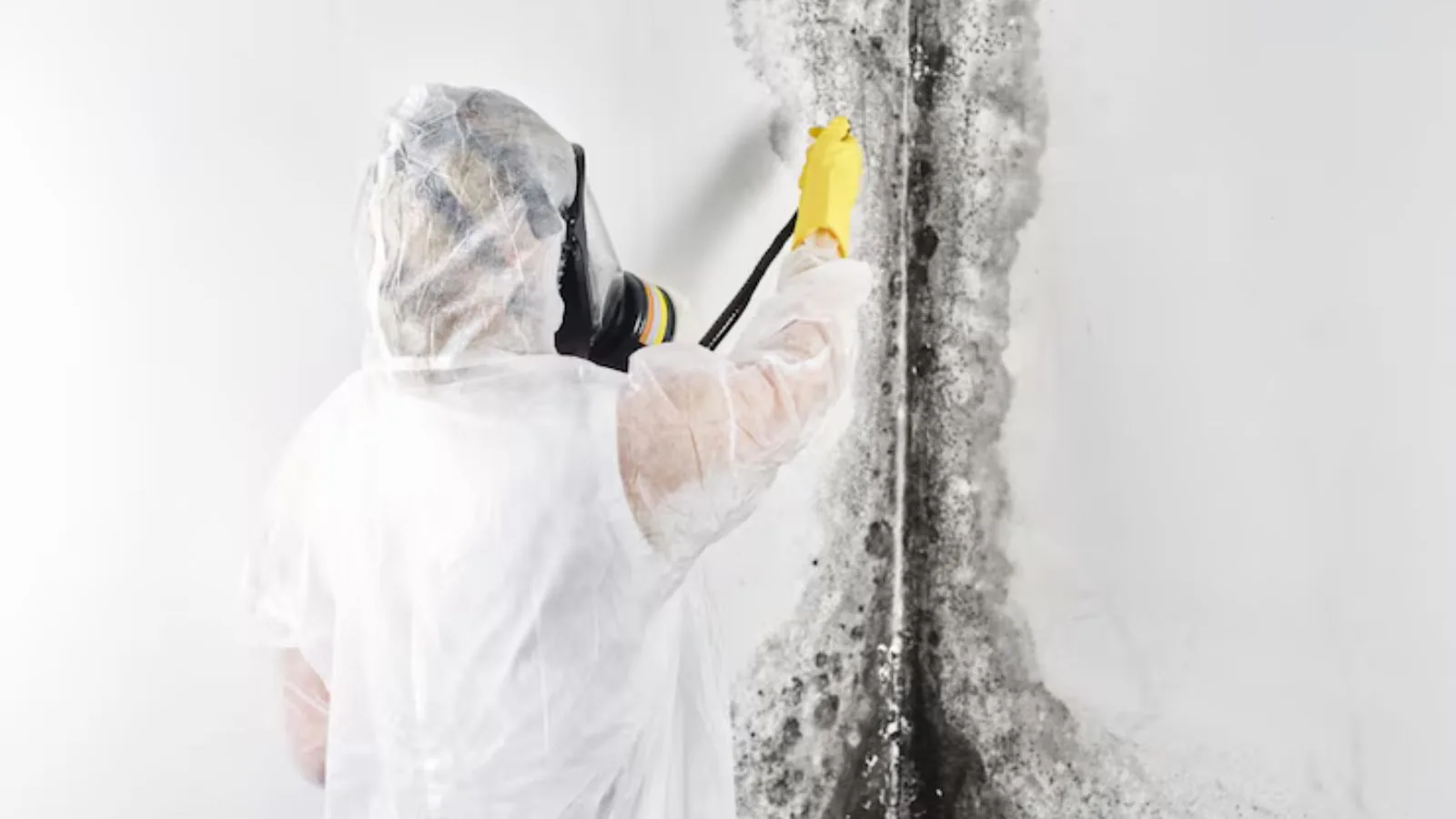
Short answer: black mold is a popular name, not a diagnosis. Many mold species look dark, and the one people worry about most cannot be identified by eye. What matters is how much there is, what it is growing on and why it is damp. Small patches on hard surfaces can be cleaned. Anything larger, or growing in drywall, insulation or ductwork, needs a different approach.
What People Mean by Black Mold
The phrase usually refers to a type of mold that grows on materials with a lot of cellulose, such as drywall paper, wood and ceiling tiles, after they have been wet for a long time. It often looks dark green or black and can be slimy or powdery. Other molds are also dark. Testing in a lab identifies species, and an assessor decides whether that information would change what you do.
In practice the response is the same: stop the moisture, protect yourself, remove what is contaminated and dry the rest.
Protect Yourself First
- Wear an N95 or better respirator, not a dust mask.
- Wear gloves and eye protection without vent holes.
- Wear clothing you can wash right away, or disposable coveralls.
- Keep children, pets and anyone with breathing problems out of the area.
- Seal the work area from the rest of the house if you can.
- Do not dry-scrub or sand. It throws spores into the air.
Cleaning a Small Patch on a Hard Surface
For a small patch on tile, glass or a sealed surface, damp-wipe with detergent and water, then rinse and dry. Do not spray dry mold, because that spreads spores. Put used rags in a bag and seal it. Keep the area dry afterward and check it again in a week.
If the dark growth is on drywall, ceiling tile, insulation or carpet, wiping the surface does not solve it. These materials are usually removed. Mold in ductwork or inside a wall cavity is a job for a professional.
Alvin Note
The Texas Department of Licensing and Regulation licenses mold assessors and mold remediators. Texas generally does not allow the same company to assess and remediate the same project. Under the minimum-area exemption, unlicensed people may work on under 25 contiguous square feet. Only a licensed remediator can issue the Certificate of Mold Damage Remediation after clearance. If your growth is bigger, or you may sell or refinance, a licensed assessor should write the plan.
What Makes Dark Mold Grow in Alvin Homes
Most cases trace back to a long-running moisture problem. A roof leak that wet the attic decking, an AC drain that overflowed for weeks, a slow plumbing leak behind a wall or a flood that was never fully dried are all common. The warm, humid Gulf Coast climate speeds things up. If the cause was a recent loss, see ceiling water damage repair or AC leak water damage.
| Where you find it | Likely cause |
|---|---|
| Ceiling near an AC vent. | Condensation or a clogged drain line. |
| Bottom of walls. | Flooding, plumbing leak or wicking. |
| Bathroom ceiling. | Poor ventilation. |
| Attic decking. | Roof leak or poor ventilation. |
| Closet walls. | Humidity and poor airflow. |
Health Concerns
People react to mold differently. Some have no symptoms. Others get coughing, throat or eye irritation, or worse breathing if they have asthma. If you or a family member has symptoms, talk to a doctor. A mold test cannot diagnose a health condition, and a doctor, not a lab report, decides whether mold is the cause.
Prevention
- Fix leaks fast and dry wet materials within a day or two.
- Use a dehumidifier in damp areas.
- Run exhaust fans when showering and cooking.
- Keep gutters and grading in good shape.
- Service the AC each year and keep the drain clear.
- Inspect attics and crawl spaces after storms.
If the damp area is large, our mold page explains how licensed assessment and remediation work, and water damage restoration in Liverpool covers nearby low-lying properties.
When Testing Makes Sense
Many homeowners ask for a mold test because the growth is dark. A test can tell you which species are present and in what concentration, but it cannot tell you whether you are sick, and it does not change the basic response. A licensed assessor decides when sampling is useful. It is most helpful when the extent is unclear, when there is a smell with no visible source, or when you need documentation for a sale or insurance claim.
- Visible growth with a known cause usually needs fixing, not testing.
- A hidden smell may need an assessor to find the source.
- Post-cleanup clearance testing confirms the work was done properly.
- Home sale or refinance may call for documented clearance.
What a Professional Does Differently
Professional mold work uses containment, negative air pressure and HEPA filtration to keep spores from spreading. Workers wear respirators and protective clothing. They remove contaminated porous materials, clean remaining surfaces with HEPA vacuums and damp wiping, and dry the area. Clearance follows. This is very different from wiping a wall with bleach.
The assessor and remediator are separate for a reason. The assessor has no financial stake in the amount of work, so the plan is independent. The remediator carries it out. Texas rules generally keep these roles apart on the same project.
Living in the House During Remediation
For small jobs, families often stay home. For larger ones, containment barriers and air scrubbers protect other rooms, and some people choose to stay elsewhere, especially if someone has asthma. Ask the remediator and your doctor what is best for your household.
What to Do With Materials You Remove
Moldy drywall, insulation and carpet should be wetted lightly, bagged in heavy plastic and sealed before they leave the room. Carry the bags out through the nearest exit, not through the rest of the house. Wipe the bag exteriors. Place them in the regular trash unless local rules say otherwise. Wash your clothes right after, and shower.
Clean the area with a HEPA vacuum and damp wipes after removal. Avoid sweeping. When the area has dried, a second damp wipe picks up fine dust.
For background on how professionals approach mold, the IICRC S520 standard for mold remediation is the industry reference, and Texas adds its own licensing rules on top.
Homeowners in Manvel, Liverpool and Pearland can call the same 24/7 line.
Black Mold Questions
Is black mold always toxic?
No. You cannot tell by color. Many molds are dark. An assessor decides what to sample, and a doctor evaluates symptoms.
Can I paint over black mold?
No. Paint hides it but the moisture and the growth remain.
Should I test before cleaning?
Not always. Testing is useful when the extent is unclear or you need documentation. A licensed assessor decides.
How big is too big for a DIY cleanup in Texas?
The minimum-area exemption covers under 25 contiguous square feet for unlicensed people. Many professionals would suggest help well before that if the mold is in porous materials.
Does insurance pay for black mold?
Usually not if it came from a gradual leak. Mold cleanup and testing are often excluded. Ask your agent.
Water Still Spreading?
Call the 24/7 emergency line and tell the dispatcher what happened.
Call (844) 950-6900