
Does Homeowners Insurance Cover Mold in Alvin, TX?
Often not. Mold that follows a covered sudden loss may be paid in part, but mold from a slow leak, and the cost of testing, usually is not.
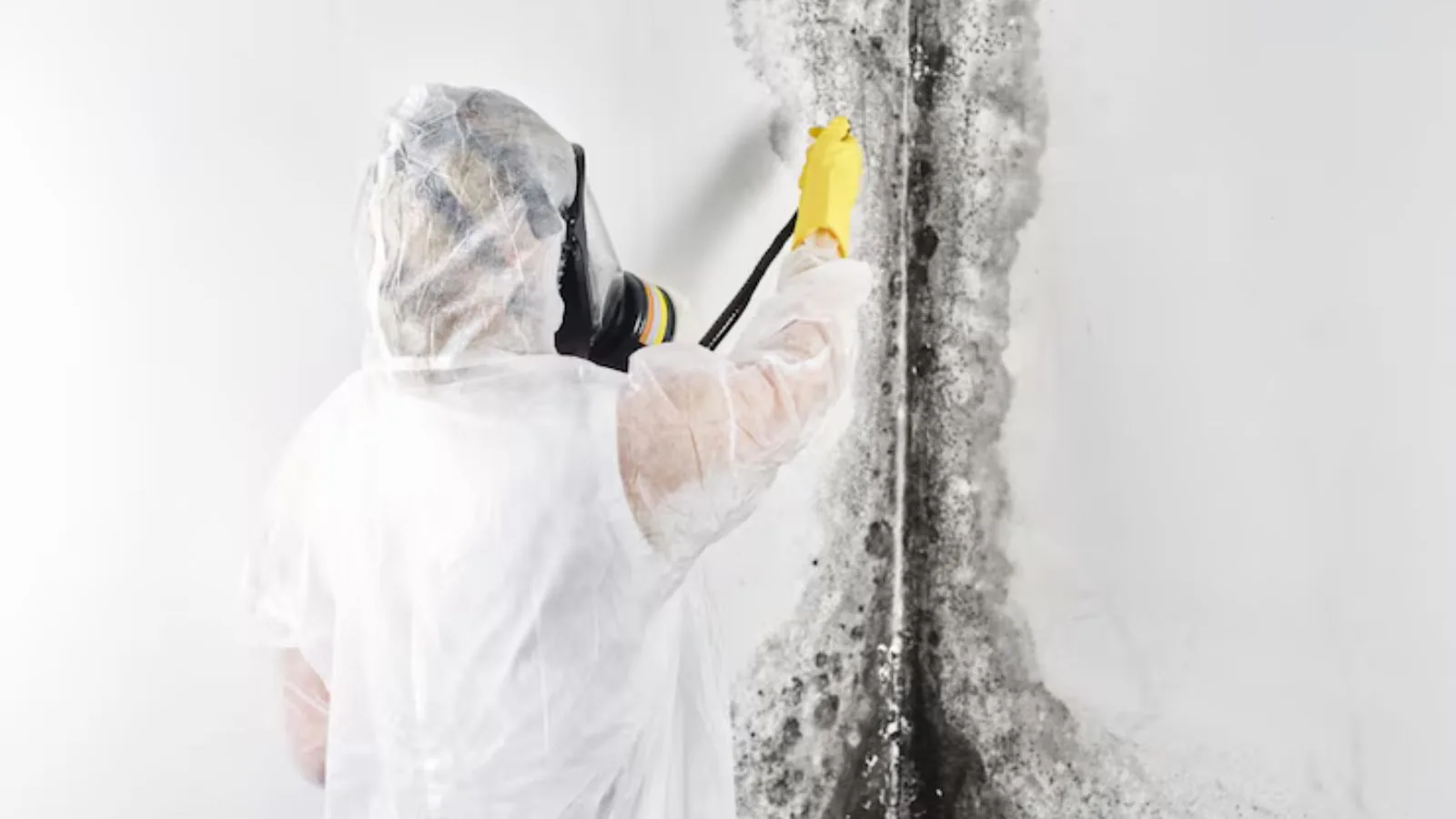
Short answer: the Texas Department of Insurance (TDI) says standard homeowners policies usually do not include mold cleanup and testing, and mold that results from gradual leaks or seepage is generally not covered. Some policies cover mold that follows a covered, sudden water loss, often with a dollar limit. Whether yours does depends on its wording, so read it, then ask your agent.
Why Mold Coverage Is Limited
Insurers see mold as preventable. If a pipe bursts and you dry the house promptly, mold should not grow. If you ignore a leak for months, mold is treated as a consequence of neglect. That is why policies often exclude it or cap it with a sub-limit.
| Scenario | Likely treatment of mold |
|---|---|
| Pipe bursts, you dry within days, no mold. | No mold claim needed. |
| Pipe bursts, drying was delayed by access or weather, mold appears. | May be covered within a limit if the policy allows. |
| Slow leak behind a wall for months. | Generally excluded. |
| Humidity or condensation. | Generally excluded. |
| Flood followed by mold. | Depends on whether a flood policy covers it. |
What Cleanup and Testing Usually Cost You
TDI says that mold cleanup and testing are usually not part of a standard policy. That means that when mold is found, the cost of an assessor and a remediator may fall on you even if the original water damage was covered. Ask your agent about a mold endorsement. Policies with one can pay for testing and cleanup up to a stated limit.
Alvin Note
Texas licenses mold assessors and mold remediators through the Department of Licensing and Regulation. After a licensed remediator finishes work and the area passes clearance, the remediator issues a Certificate of Mold Damage Remediation. Texas rules allow an insurer to ask for it in some cases, and a buyer or lender may ask for one too. Keep the certificate with your records.
How to Protect a Mold Claim
- Report any water loss immediately. Delay can be used against you.
- Dry the structure fast. Keep a log of readings and equipment days.
- Photograph visible mold and the area before cleanup.
- Keep receipts for moisture mitigation and any testing.
- Ask the adjuster in writing whether mold is covered and what the limit is.
- Use licensed assessors and remediators and keep all paperwork.
The best way to avoid a mold claim is structural drying and dehumidification right after the water event.
Which Policy Covers What
Many Alvin homeowners carry more than one policy. A homeowners policy covers the house and contents against listed perils. A flood policy covers rising water. A wind and hail policy may be separate on the Gulf Coast. Mold may fall under any of them, or none. Read each one. Brazoria County's hazard mitigation plan notes flooding is a recurring risk in parts of Alvin, so the flood policy is worth reviewing.
If Your Claim Is Denied
- Ask for the denial in writing with the policy language cited.
- Ask for the adjuster's report and photographs.
- Provide extra documentation, such as moisture logs.
- Consider a public adjuster for larger losses.
- Contact TDI at 800-252-3439 if you believe the decision is wrong.
See our Liverpool and mold remediation pages for how drying and licensed mold work are separated.
Mold Endorsements and Sub-Limits
Some policies add mold coverage through an endorsement or a sub-limit. A sub-limit caps what the insurer will pay for mold, often a fraction of your overall coverage. An endorsement may raise the cap or add testing. The numbers are in the policy documents. If you cannot find them, ask your agent and request the answer in writing.
- Ask whether the limit applies per claim or per year.
- Ask whether it covers testing, cleanup, repair or all three.
- Ask if the limit includes the cost of tearing out and replacing drywall.
- Ask whether living expenses are covered if the mold makes the house unlivable.
Documentation That Helps
If you think mold followed a covered loss, build a file. It should show the date of the original water event, the date you reported it, what you did to dry the house and when mold was first noticed. Moisture logs from the drying company and photos of the early stages help show you acted quickly.
A delay in drying, even for reasons beyond your control such as a storm that kept crews busy, should be explained in writing to the insurer. Dates matter. Keep emails and text messages.
When Mold Is Discovered at a Home Sale
Sellers and buyers often discover mold during an inspection. A licensed assessor and remediator, followed by clearance and a certificate, give the buyer something to rely on. The cost of that work usually falls on the seller or is negotiated. Keep records of the remediation, the moisture fix and any related insurance claims.
Preparing for a Conversation With Your Agent
Before you call, gather your policy number, the date of the water event, the date you noticed mold and any photos. Ask direct questions and write down the answers.
- Does my policy cover mold, and under what conditions?
- Is there a limit, and does it include testing and cleanup?
- Does the limit apply separately from my main coverage?
- What documentation will you need from me?
- Who should do the assessment and remediation?
If an answer is vague, ask the agent to send it in an email. A written answer is easier to rely on later.
Mold After Flood or Storm Losses
Mold after a storm is a common worry. If rain came through a damaged roof, the loss may be treated as a wind loss, and mold that follows may be handled under that coverage, within any mold limit. If rising water caused it, a flood policy applies, and flood policies often exclude mold that you could have prevented by drying out promptly. The National Flood Insurance Program expects policyholders to start cleanup quickly.
Because storms leave many houses wet at once, crews can be slow to arrive. Write down what you did to protect the house, such as running a dehumidifier, removing wet carpet and keeping the air conditioning on. Those notes show you tried to prevent mold, which matters if the claim is reviewed.
Rental Properties and Mold
If you rent, tell your landlord in writing as soon as you see mold or a leak. Landlords are generally responsible for repairs to the building. Your renters policy covers your belongings if they are damaged by a covered water loss, but mold coverage in renters policies is often limited. Take photos of affected belongings and keep a copy of your written notice.
Homeowners in Manvel, Liverpool and Pearland can call the same 24/7 line.
Mold Insurance Questions
Does homeowners insurance cover mold from a roof leak in Alvin?
If the roof leak was sudden and caused by a covered peril, some policies pay for resulting mold within a limit. A slow leak is usually excluded.
Is mold testing covered?
TDI says testing is usually not covered by standard policies. A mold endorsement may include it.
Can I get mold coverage added?
Ask your agent about endorsements. Availability and limits vary.
Do I need clearance for insurance?
Not always. Clearance and a Certificate of Mold Damage Remediation are useful records and may be requested by a buyer or lender.
What if I find mold after a claim is closed?
Report it right away and document it. Say when you found it and what water event came before it.
Water Still Spreading?
Call the 24/7 emergency line and tell the dispatcher what happened.
Call (844) 950-6900