
DIY Drying or Professional Help After Water Damage in Alvin, TX
A small, clean spill on a hard floor is a DIY job. Water in walls, carpet pad or from a flood or sewer is not.
Short answer: do it yourself only when the water is clean, the area is small, it is on a hard surface and you caught it within hours. If water reached carpet pad, walls, ceilings or subfloor, if it has been wet for more than a day, or if the water was dirty, call a professional. Moisture left behind causes mold and rot.
What You Can Safely Do Yourself
Small clean-water spills are manageable. A tipped bucket, a dripping faucet that wet the floor for an hour and a minor appliance leak on tile are examples. The tools are towels, a mop, a wet vacuum and a fan. The keys are speed and thoroughness.
- Stop the water and turn off power to the area if needed.
- Mop or wet-vacuum all standing water.
- Lift rugs and furniture legs off the floor.
- Wipe baseboards and the bottom of cabinets.
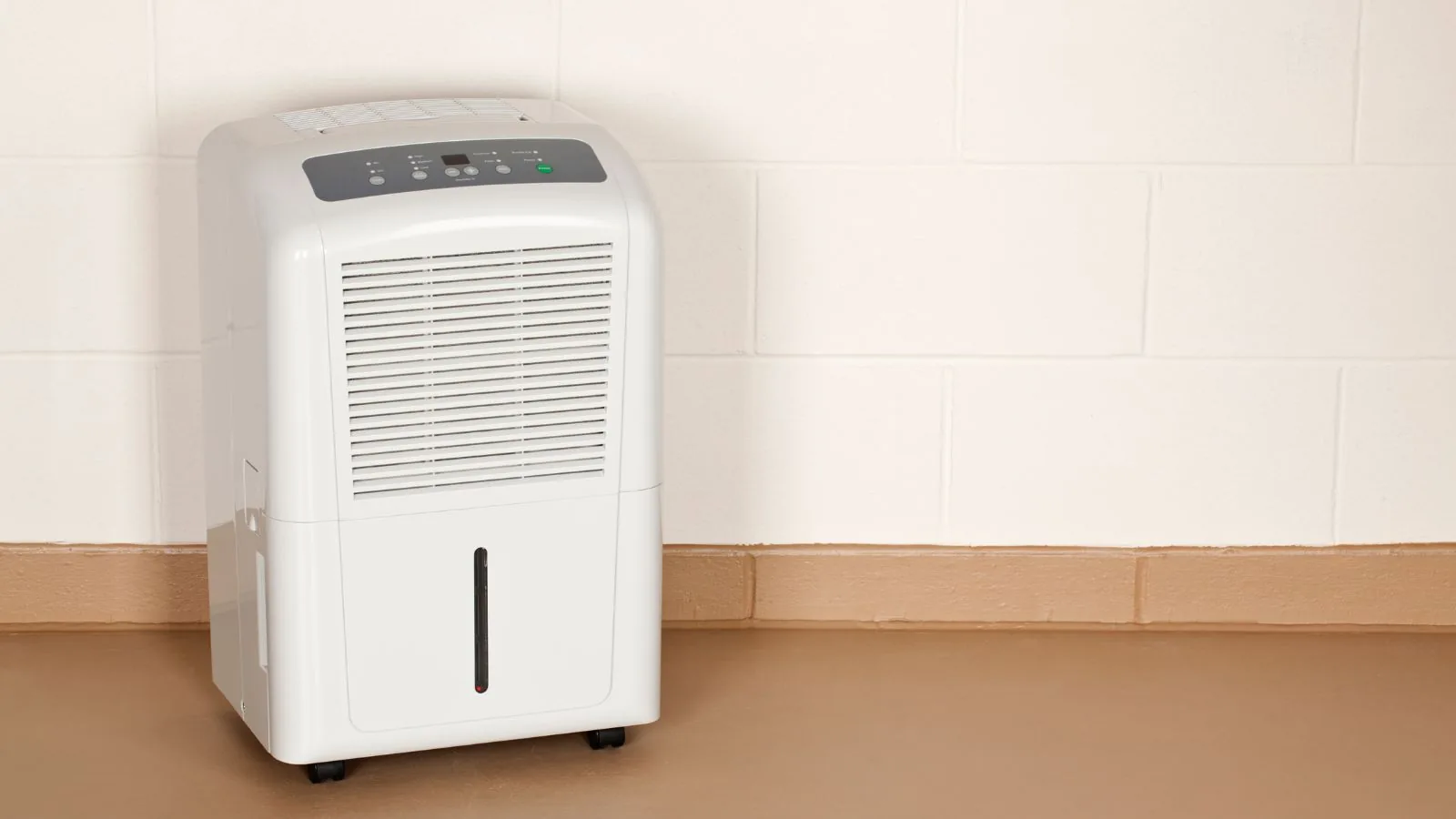
- Run fans and the AC. Use a dehumidifier if you have one.
- Check again in a day, including under and behind items.
When DIY Falls Short
| Situation | Why DIY usually falls short |
|---|---|
| Water in carpet and pad. | Pad holds water and extraction tools are needed. |
| Water in walls or ceilings. | You cannot see or measure it without meters. |
| Flood or sewer water. | Contamination requires protective gear and removal of materials. |
| Hardwood floors. | Wrong drying can cause cupping or cracking. |
| More than about a day of wetness. | Mold can start growing. |
| Electrical outlets involved. | Shock hazard. |
Household fans and dehumidifiers move and remove moisture but only at the surface and in the air. Drying a wall cavity, subfloor or insulation requires placement, air flow and measurements that consumer equipment does not provide.
Signs Hidden Moisture Is Still There
- A musty or earthy smell that persists after cleanup.
- Floors that cup, buckle or feel spongy.
- Paint bubbling or peeling.
- Baseboards that separate from the wall.
- Dark stains that reappear.
- Condensation on windows in the affected room.
A moisture meter is the only reliable way to know. Hand-feel and sight are poor guides. A reading of materials against a dry reference tells you when drying is done.
Alvin Note
In Alvin's humid climate, the outside air rarely helps drying. Opening windows in summer can bring in more moisture than it removes. Keep windows closed and run the AC and a dehumidifier while materials dry. The Texas Department of Insurance advises homeowners to stop further damage, keep records and report promptly, and insurers often ask for moisture documentation for larger claims.
Cost and Insurance Considerations
DIY costs little in the short run, but a missed wet wall can cost thousands later. Insurers expect you to prevent further damage, and professional drying provides documentation that supports a claim. If the loss is small, a deductible may exceed the cost, and handling it yourself is reasonable. Ask your agent. Gradual leaks are generally excluded by standard policies, so catching a leak early is also good for coverage.
A Practical Rule of Thumb
If you can see all the wet material, can reach all of it and the water was clean, you can probably dry it. If water went under something you cannot lift, behind something you cannot move or into a wall, call. If you are not sure, a quick call to explain the situation costs nothing. See water extraction for what a professional does first and carpet water damage restoration for the pad problem.
Safety Notes
- Do not use a household vacuum on water.
- Stay out of rooms with standing water near outlets.
- Do not use heaters to speed drying on wood floors.
- Wear gloves if the water might be contaminated.
- Do not enter attics or crawl spaces if you are unsure of what is wet.
For a leak that affects several rooms or a storm loss, see Liverpool and Pearland for the areas our crews serve.
Equipment You Might Rent or Buy
If you decide to dry a small area yourself, the right equipment helps. A wet-dry vacuum pulls water from hard floors. A pair of box or axial fans moves air across wet surfaces. A dehumidifier, ideally one rated for the room size, pulls water from the air. A moisture meter is cheap and tells you when to stop.
| Tool | Use |
|---|---|
| Wet-dry vacuum. | Remove standing water from hard floors. |
| Fans. | Move air across wet surfaces. |
| Dehumidifier. | Lower humidity so materials give up moisture. |
| Moisture meter. | Check wood and drywall. |
| Fan placed under cabinet toe kicks. | Dry cabinet bases. |
Keep the room closed and run the AC. A fan and dehumidifier in an open room just dry the neighborhood.
Mistakes That Turn a Small Leak Into a Big One
- Drying the surface and leaving the subfloor wet.
- Stopping the fans too soon.
- Covering damp flooring with new carpet or planks.
- Painting over stains.
- Ignoring a smell.
- Not checking behind baseboards.
When the Deductible Decides
If the whole loss is smaller than your deductible, your insurer will not pay and you are on your own. In that case a careful DIY job, with a meter and patience, is reasonable. Pay attention to the rule of thumb: if you cannot see all the wet material, you cannot be sure it is dry. A short call to a professional for a moisture check is a middle path.
A Realistic Look at Drying Times
Even a small, clean-water spill on a hard floor takes a day or two to dry completely when you factor in baseboards and cabinet bases. Wall cavities, subfloors and thick materials take longer. With a professional crew, drying times are measured in days and tracked by readings. With DIY, the readings are missing, so you are guessing.
A good habit is to check with a moisture meter the next day and again two days later. If readings are still high, the area is not dry, and you may need more equipment or professional help.
DIY Drying Questions
How long should I run fans after a leak in Alvin?
Until moisture readings in the materials are normal. Without a meter, run them several days and watch for odor and staining.
Can I use a shop vacuum on carpet?
A wet-dry vacuum removes surface water but not water in the pad.
Does a dehumidifier replace professional drying?
No. It dries the air, not wall cavities or subfloors.
What if I cannot afford a crew?
Do the safe steps first. Stop the source, remove water, lift items, run fans and dehumidifiers. Call and describe the situation.
Will my insurance require professional drying?
Not always. It may ask for documentation. Ask your agent.
Water Still Spreading?
Call the 24/7 emergency line and tell the dispatcher what happened.
Call (844) 950-6900